In the Stillness of Spaces
Romany Hafez
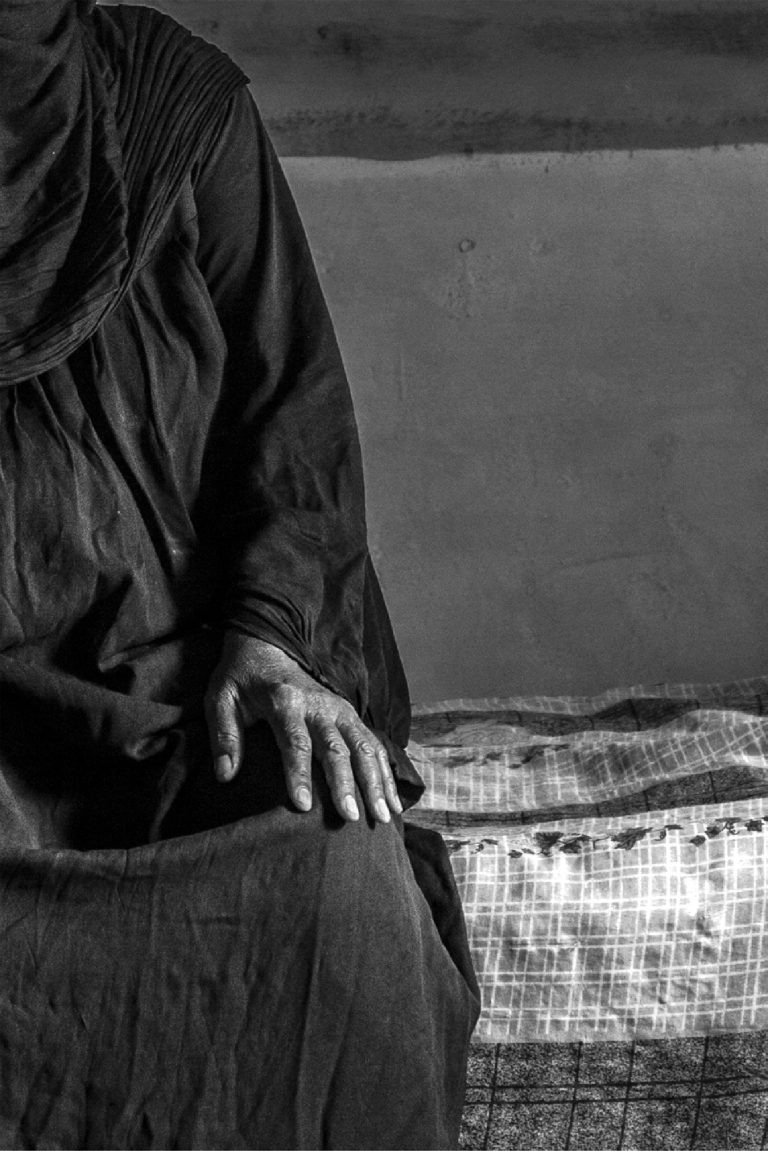
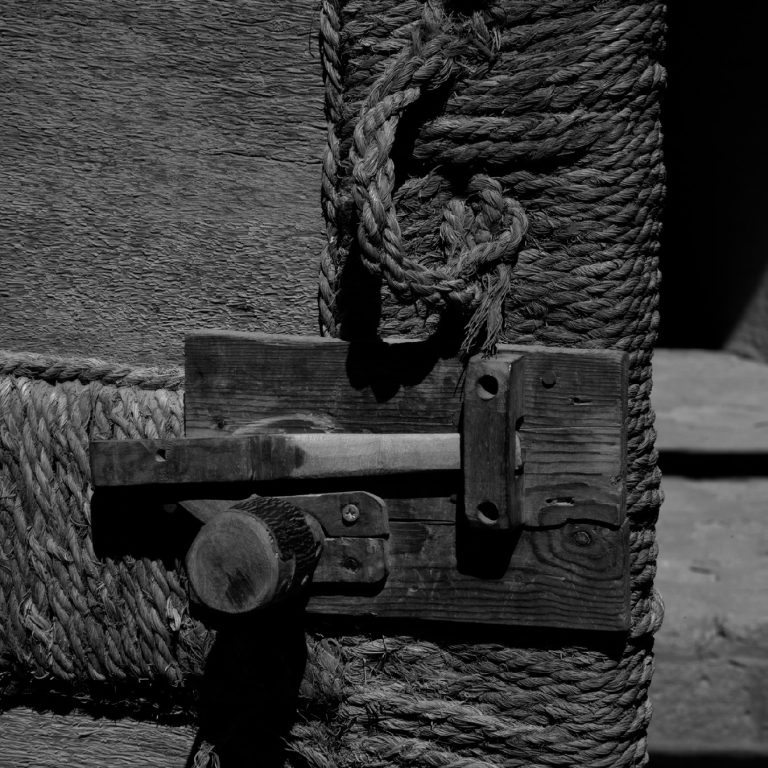
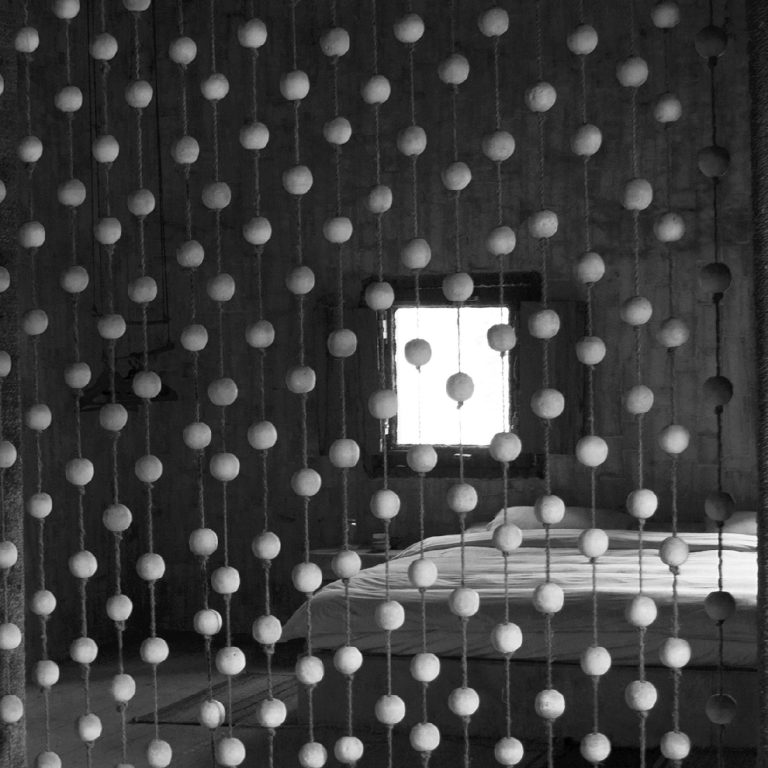
Romany Hafez’s photographic work is a contemplative exploration of presence, memory, and the quiet dialogue between people and place. His four major series: In Spaces, Beginnings and Memories, Memorabilia… Paraphernalia, To Be Present, and Echoes of Serenity form a profound meditation on how absence shapes perception. Working predominantly in black and white, Hafez reveals the emotional weight carried within architecture and the most ordinary of objects. Empty staircases, worn corners of rooms, or the stillness of a monastery are transformed into vessels of memory, each one quietly resonating with the lives that once filled them.
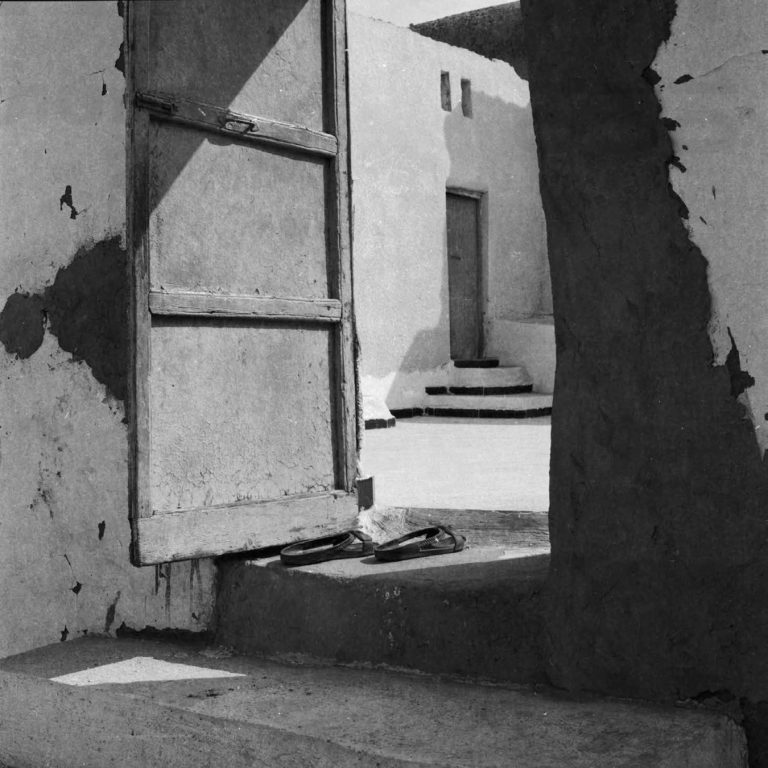
Through a careful use of minimalism, long exposure, and analogue methods, Hafez often introduces spectral figures that appear and dissolve, inviting viewers to question the thresholds between presence and disappearance. His imagery, deeply informed by Coptic visual traditions, imbues scenes with a spiritual and poetic sensibility that might otherwise seem ordinary. Light falling across stone, the trace of a slipper left by a door, or silence filling an abandoned space become metaphors for endurance and impermanence.
This exhibition unites these bodies of work to create an environment that is at once intimate and universal. It is a reflection on stillness, loss, and the fragile beauty of memory, where absence itself becomes a powerful presence.
In Spaces, Beginnings and Memories
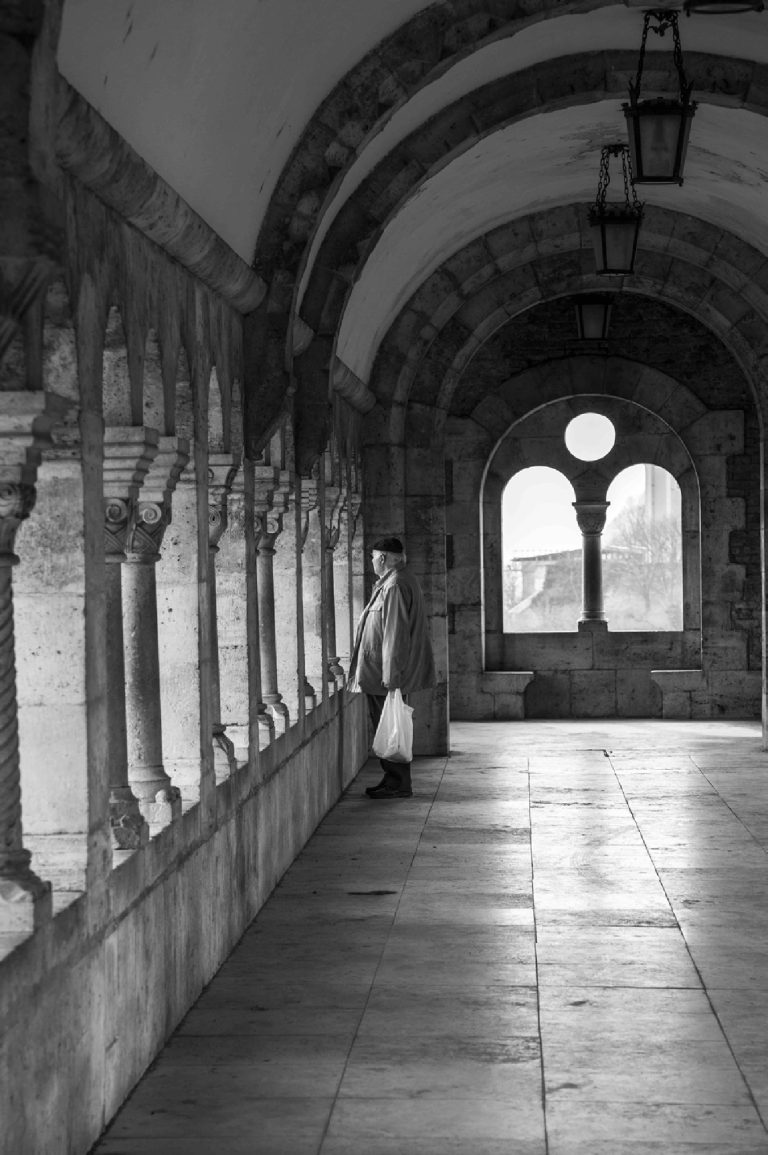
On Spaces Of The Intimate: The photographer’s decision to “register” – using Kracauer’s term — spaces devoid of their people leaves the viewer partially perplexed: we do not see people, but only traces of evidence that someone has lived – or perhaps still lives — here? In Hafez’s works there will never be a full answer, as the perfectly shot and printed architecture demonstrate perfection of the scene, almost like a well set and prepared film prop, ready for shooting the next scene, or right after a day of filming.
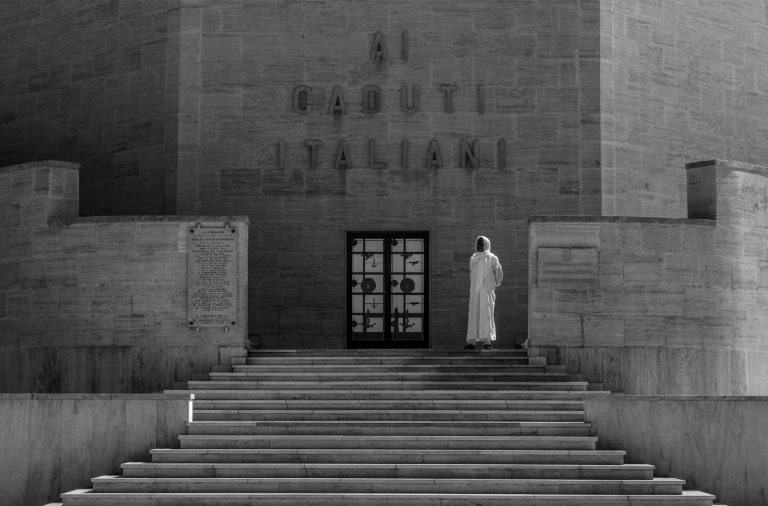 Untitled
POS RH 693 01
$2,800
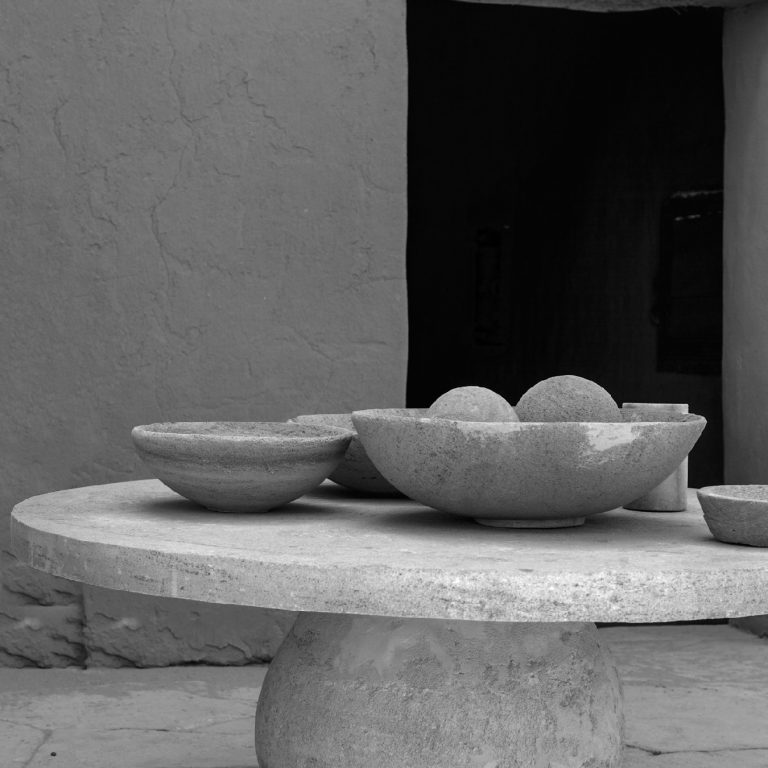 Untitled
POS RH 693 02
$1,000
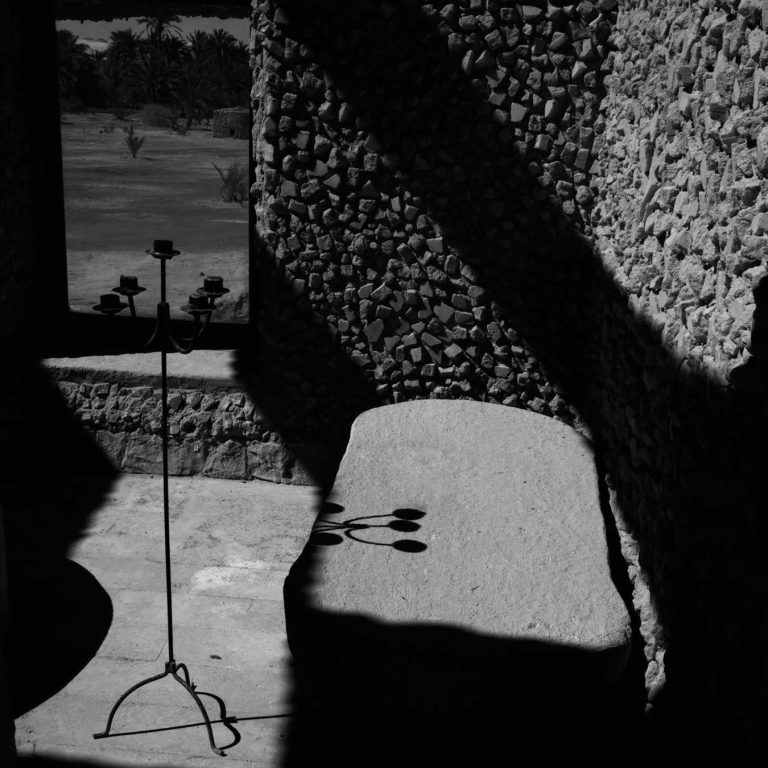 Untitled
POS RH 693 03
$1,000
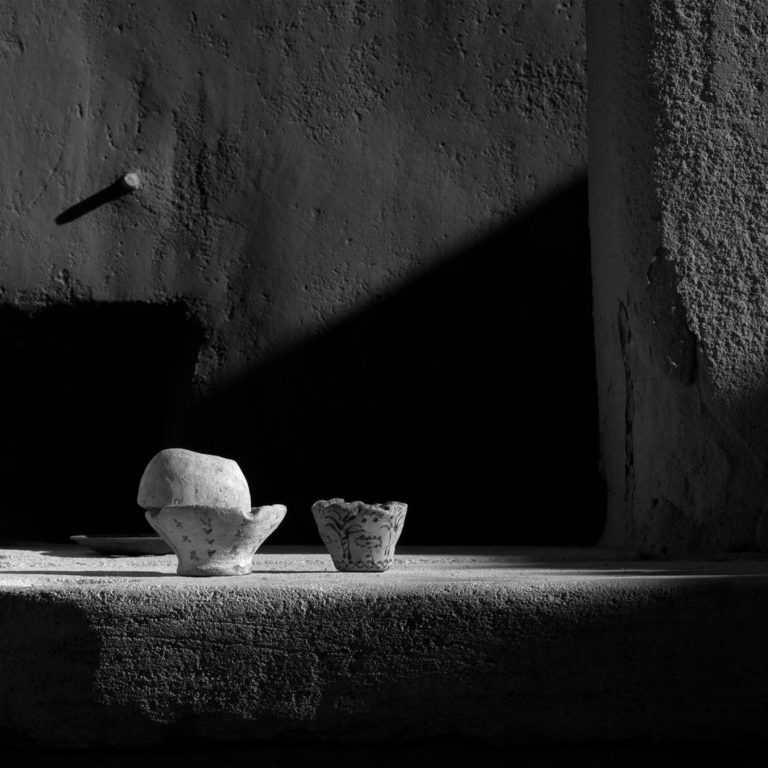 Untitled
POS RH 693 04
$1,000
 Untitled
POS RH 693 05
$2,800
 Untitled
POS RH 693 06
$1,000
 Untitled
POS RH 693 07
$1,000
Memorabilia Paraphernalia
The Palimpsest Of Intimate Paraphernalia: The Photographic Works Of Romany Hafez
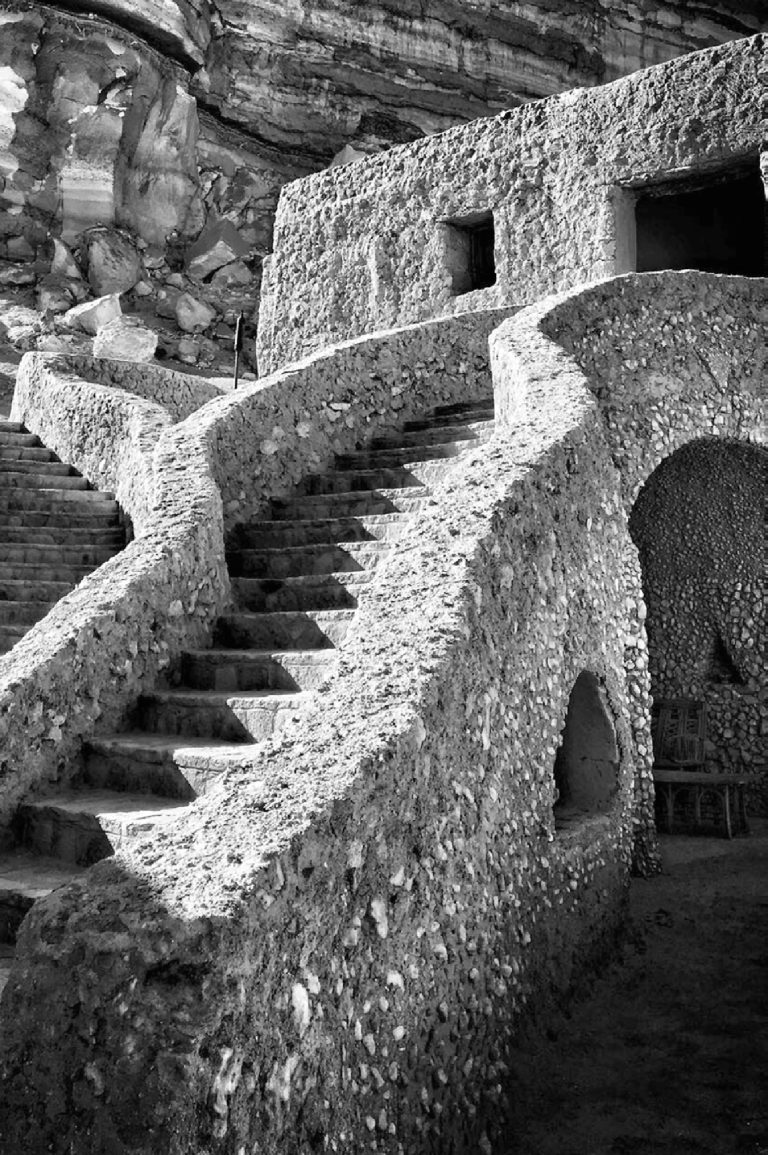
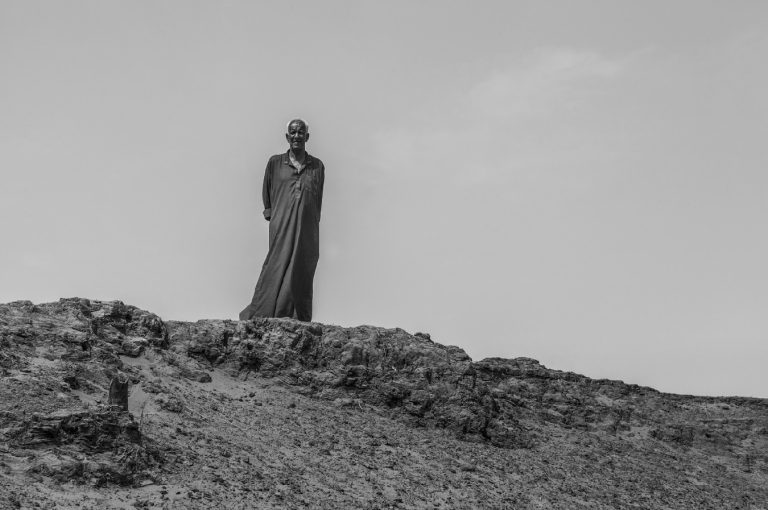
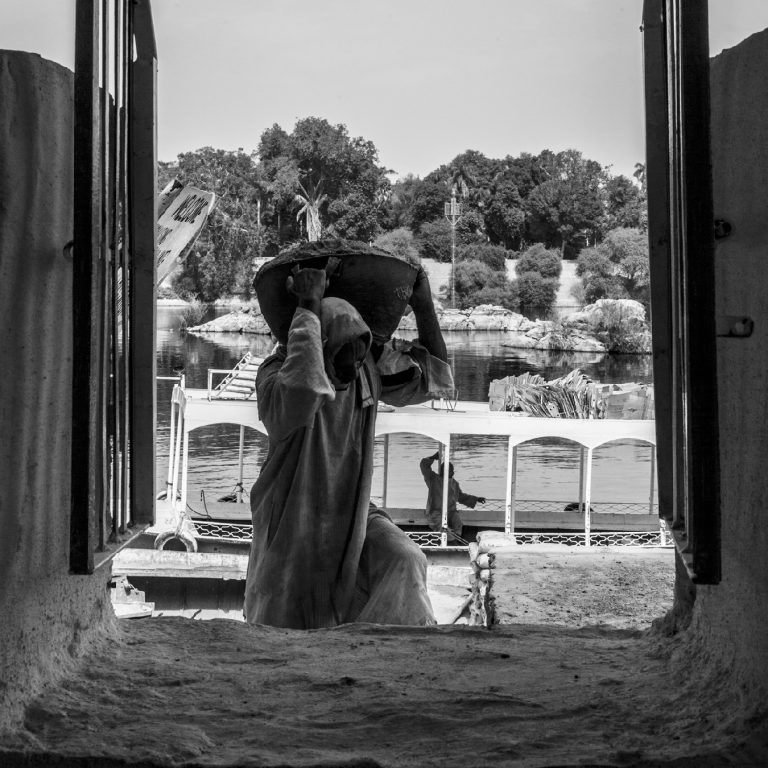
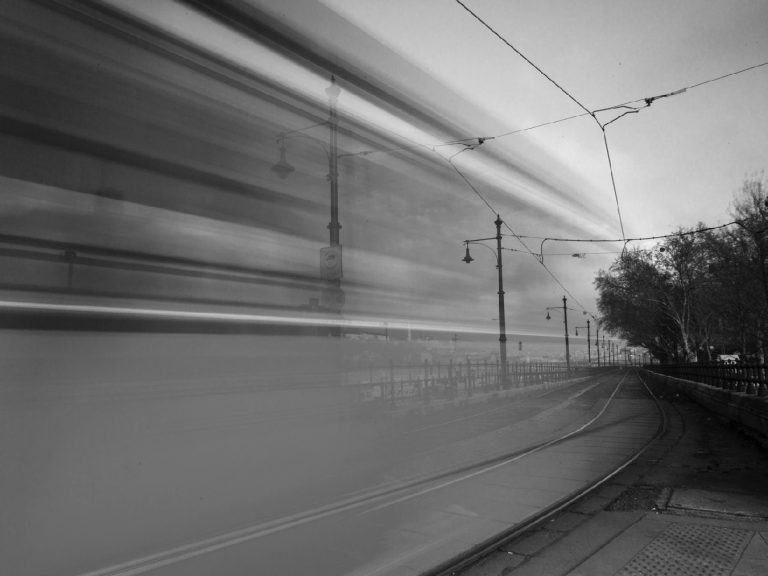
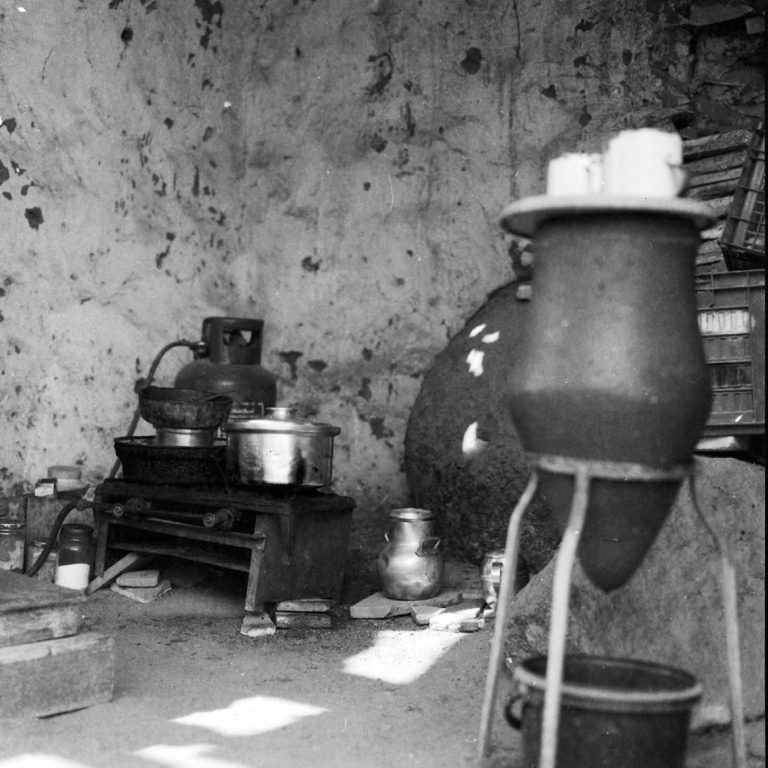
Hafez drives us to question such proposition: we are in front of works that are “realistic” as proposed by Gombrich, where the focus on nature and the real is omnipresent. On another level, the works are of personal spaces and intimate places that drive the viewer to seek knowledge, information, any history or any story.
From the first second as we explore the black and white photographs, the process of questioning starts: are those spaces inhabited? Were they ever? Are they still? Will they remain that way? All those personal elements and items in the photographs, do they still belong? Belong to people or to places? The questions need answers, and answers are knowledge, and knowledge cheats the process of sheer visual pleasure, and moves with the artwork from the visual to the conceptual, where questions of representations are answered by symbols and by codes, where semiotics and hermeneutics, and the capacity to read an artwork is required to fully appreciate the work.
To fully read and assimilate –and understand-- the works of Romany Hafez, Erwin Panofsky’s indispensable three steps “reading” approach is required to fully capture the visual text proposed by the black and white works and format. In his 1939 book Studies in Iconology, Panofsky proposes all viewers of artworks –especially painting and photography—to firstly see the work with a clear mind, and to deduce the meaning from what is seen, only. This will let the viewer first get the essential data proposed in the image. Such data can be provided by an image of a place or by a symbol. In the case of Romany Hafez works, one is engulfed in a realm of actual alleys, courtyards, patios, interiors and other living spaces, really basic, yet intricately arranged –almost staged, though one is sure it is not the case. The gorgeous finishing of the photograph, the perfect printing and the finesse in production compels the viewer to seek information about the context, time of the shooting of the artwork, and the situation/s around the creative process. Here Panofsky offers the viewer with another tool: “the proper meaning requires prior knowledge of things” involved in such creation. Romany Hafez leaves us intrigued, and he does not “tell”, but keeps it to the viewer to deduce any and all scenarios, which in turn takes us to Panofsky’s third level of reading the visual text: every artist creates intrinsic information in every artwork, whether on purpose or by serendipity, and the viewer here must engage to deduce, decode and decipher the information to complete solving the riddle.
 Untitled
POS RH 693 08
$1,000
 Untitled
POS RH 693 09
$1,300
 Untitled
POS RH 693 10
$1,300
 Untitled
POS RH 693 11
$1,000
 Untitled
POS RH 693 12
$1,300
 Untitled
POS RH 693 13
$1,300
 Untitled
POS RH 693 14
$1,000
To Be Present
On Reality Expressed, Reality Created, And On Being Present:
The Memory Images Of Romany Hafez
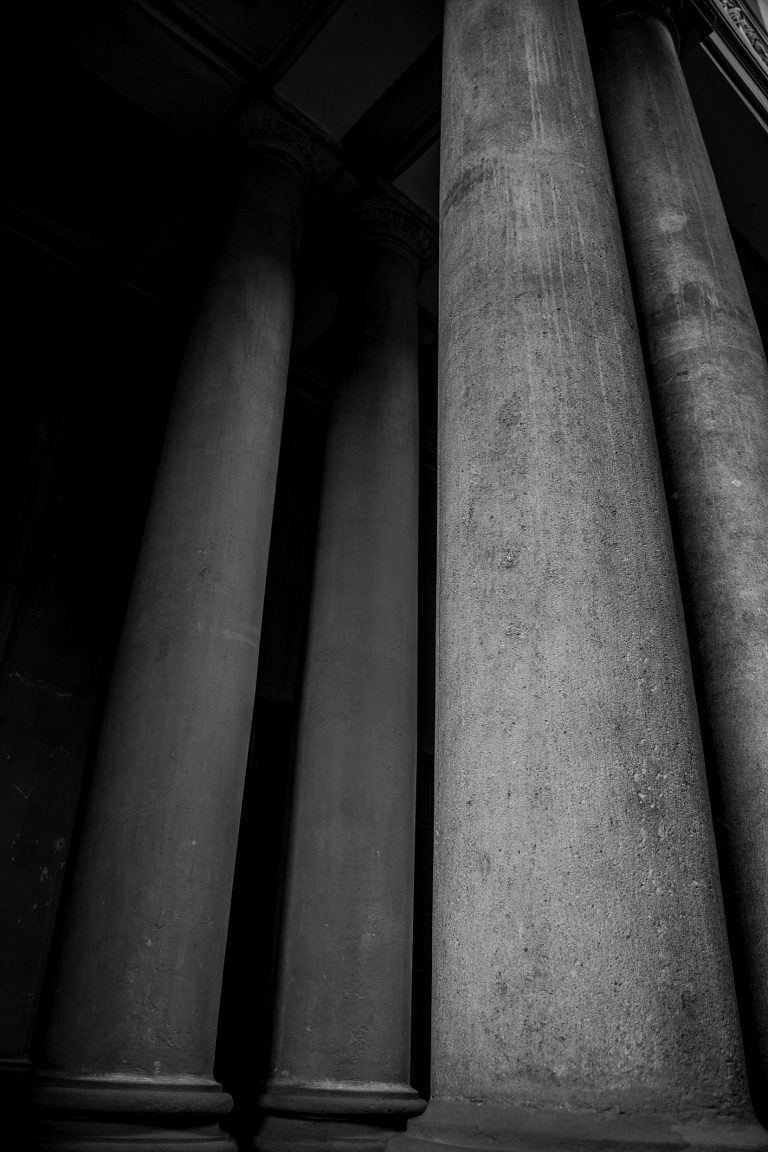
In Hafez project To be Present, the viewer of Hafez’s photographs of spaces enters a universe that transcends time: the nature of black and white photography takes one into a historical past known as the century of photography, the twentieth century, while the nature of the depicted outdoor places and indoor spaces defies all predictions of the frozen moment, and poses speculation about the time precision of past present and future. In the twentieth century, Clive Bell claimed that the actual practice of image making and of image viewing, one cannot judge or jury an artwork by their inherent intrinsic formal qualities alone. If one agrees, then all photographs of Romany Hafez defy space and time, and confront the viewer by their stunning aesthetics, reminiscent of Jackson Pollock’s remark: “a painting has a mind of its own”, and in the Romany Hafez case, each of his depicted spaces has a mind, time, narrative, aesthetics and a memory of its own.
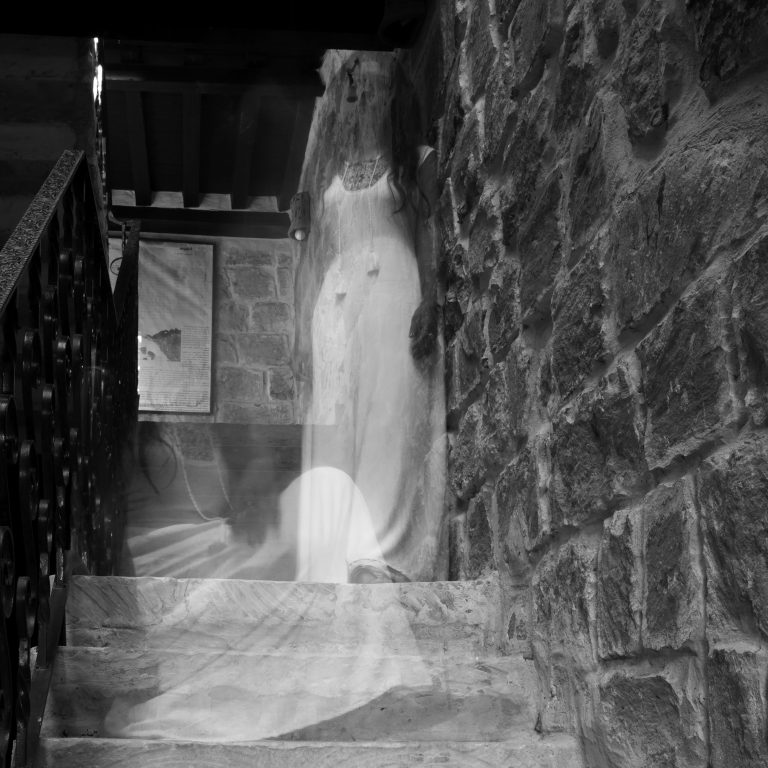
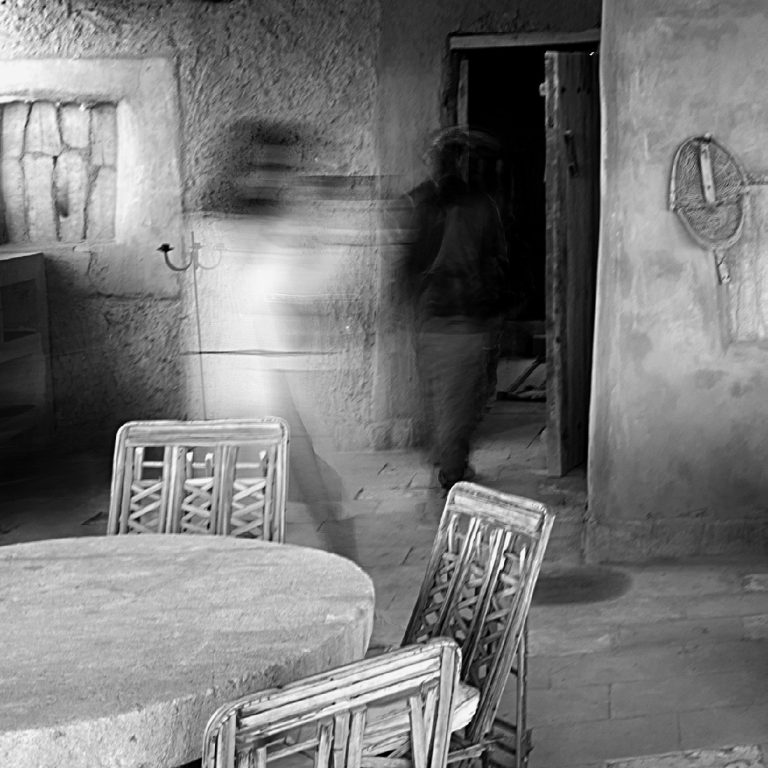
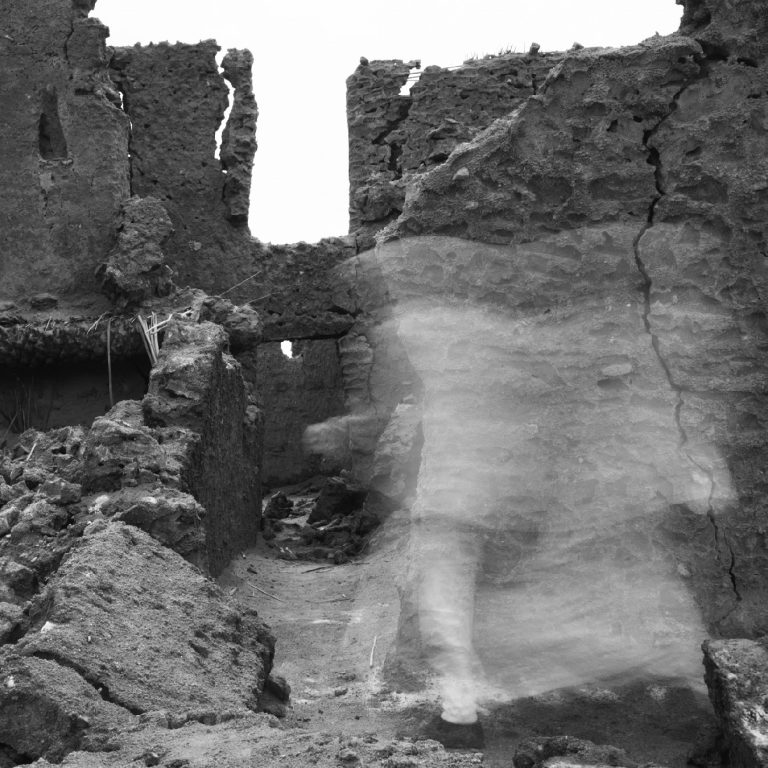
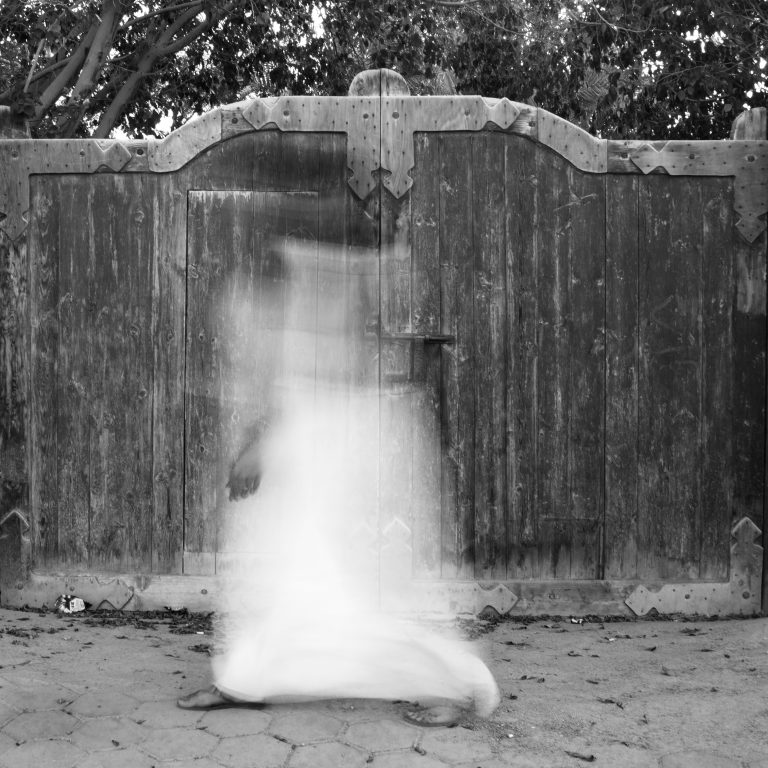
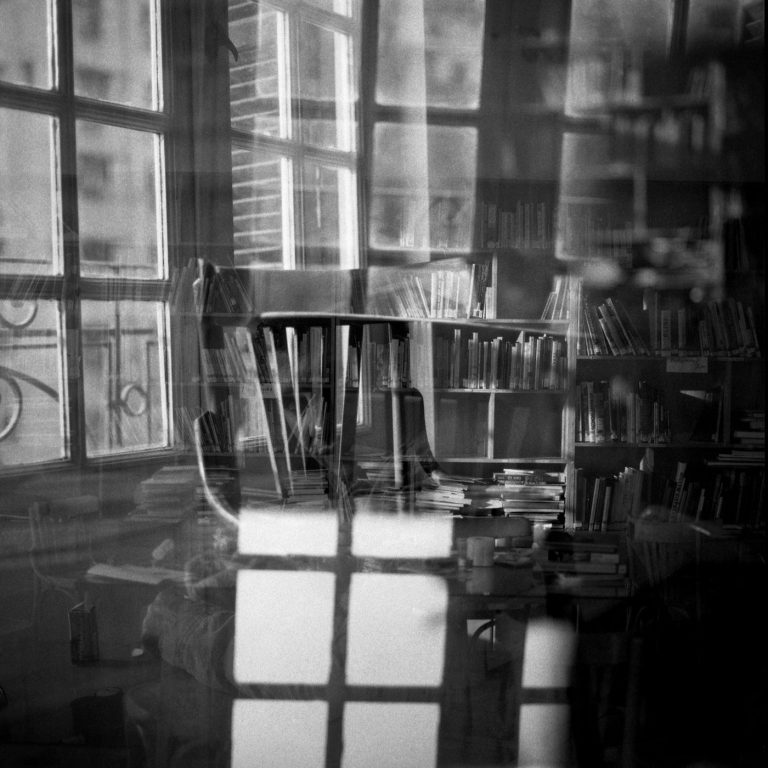
In To Be Present, for the first time in his exhibited projects of black and white photographs, Hafez uses the technique of analogue double exposure in innuendos of people who appear-and-or-disappear within the same physical space; faces and figures attempt to pass in front of the lens, an attempt to be part of a frozen moment, or an attempt “to be present”, and in any of the cases the subjects exist in a dichotomy of absence and presence alike. Every space is abandoned, deserted, though every detailed form in the image indicates presence, humans who live or have lived in such spaces: the viewer would never know. People, women and men alike do exist sometimes, in apparition form, where the body mass exists in an ethereal dimension, floating in weightlessness; souls and spirits who visit spaces of their older physical bodies, or maybe they have never left their physical spaces. Souls, freed from their physical bodies exist thus in solid physical spaces. The dichotomy is accentuated by the medium of black and white, where the physical space-time continuum is shattered successfully, and viewers may be able to live the quantum of time, but never know if the moment is in the past, present or future.
 Untitled
POS RH 693 15
$1,000
 Untitled
POS RH 693 16
$1,000
 Untitled
POS RH 693 17
$2,800
 Untitled
POS RH 693 18
$1,000
 Untitled
POS RH 693 19
$1,000
 Untitled
POS RH 693 20
$1,000
Echoes of Serenity
Photographic Journey Through Coptic Monasticism
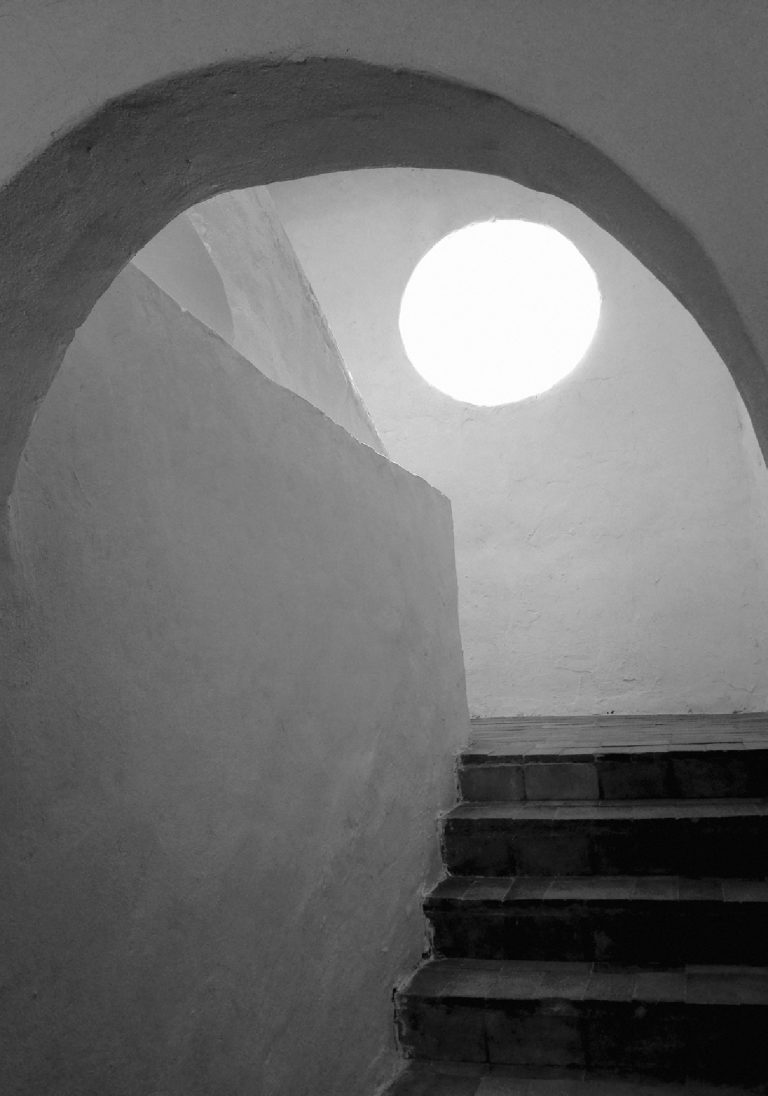
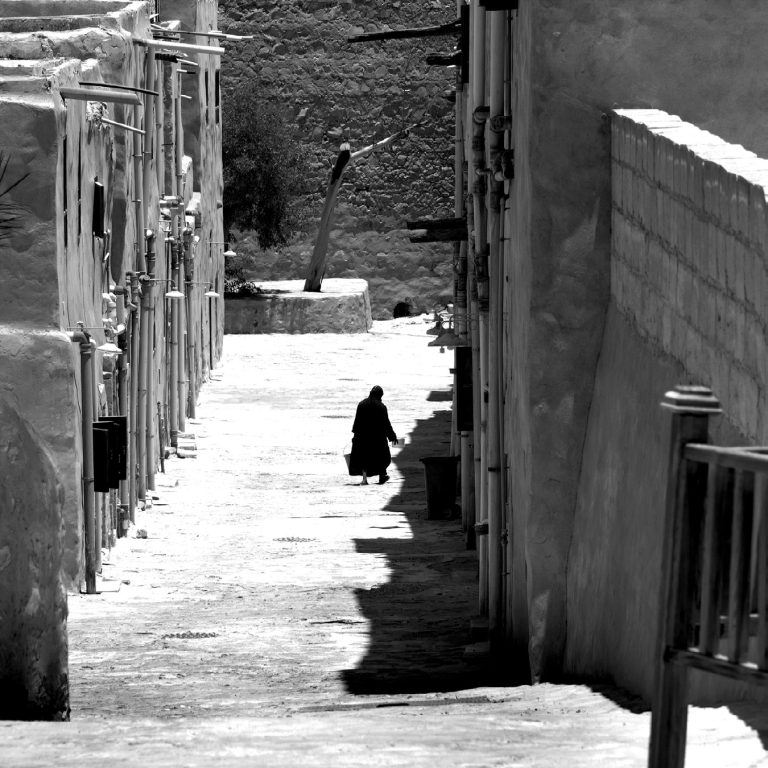
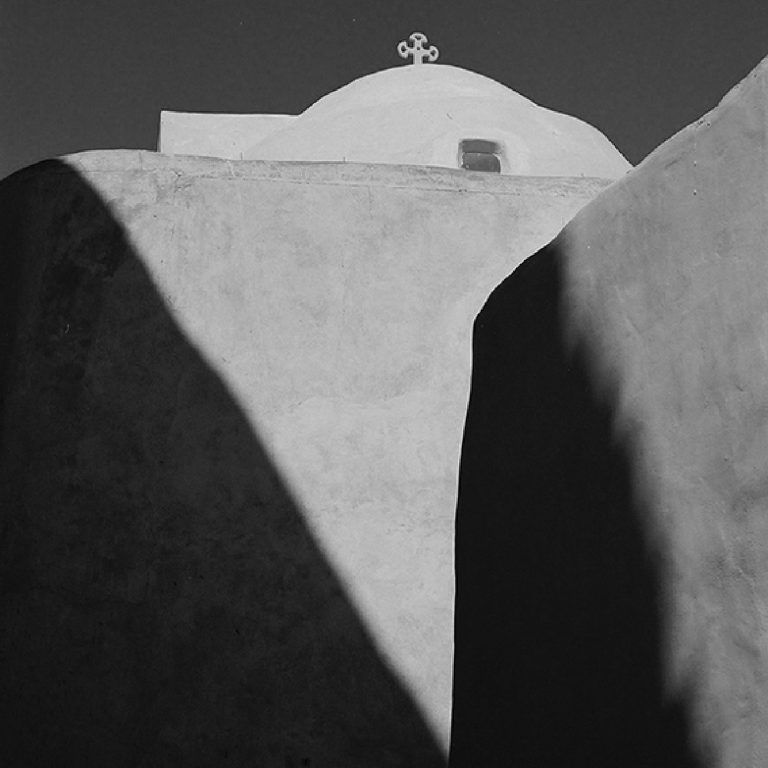
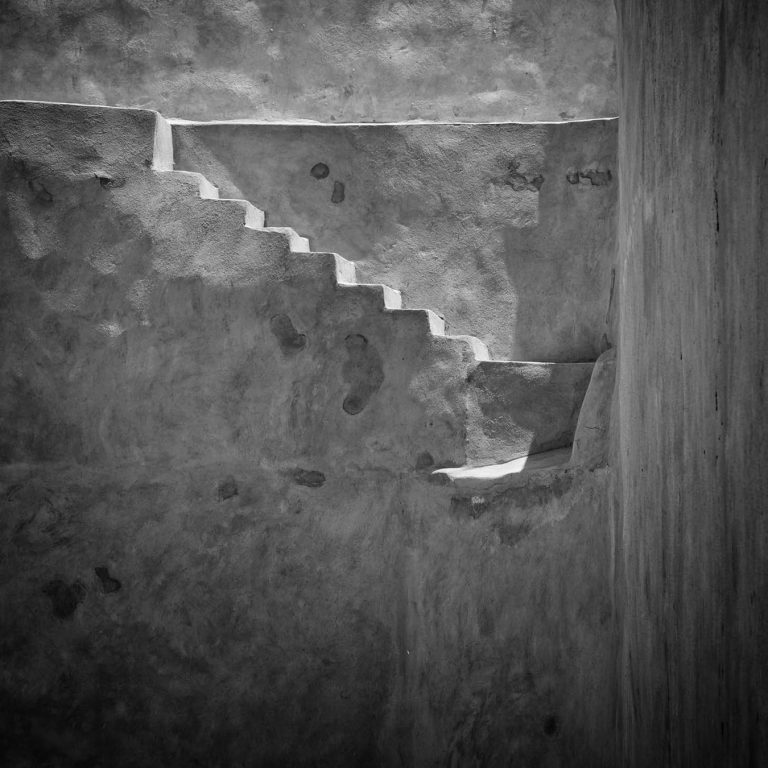
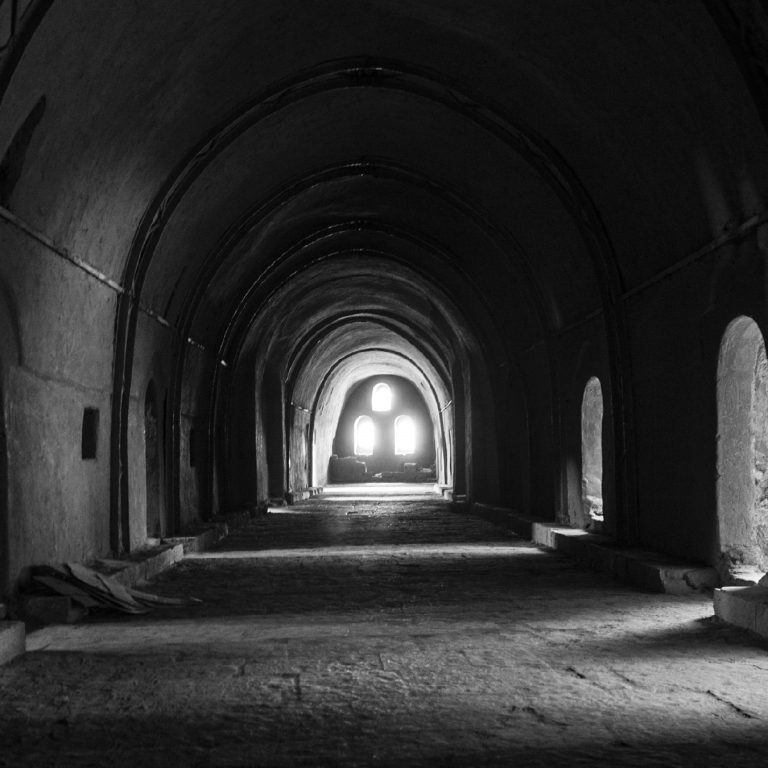
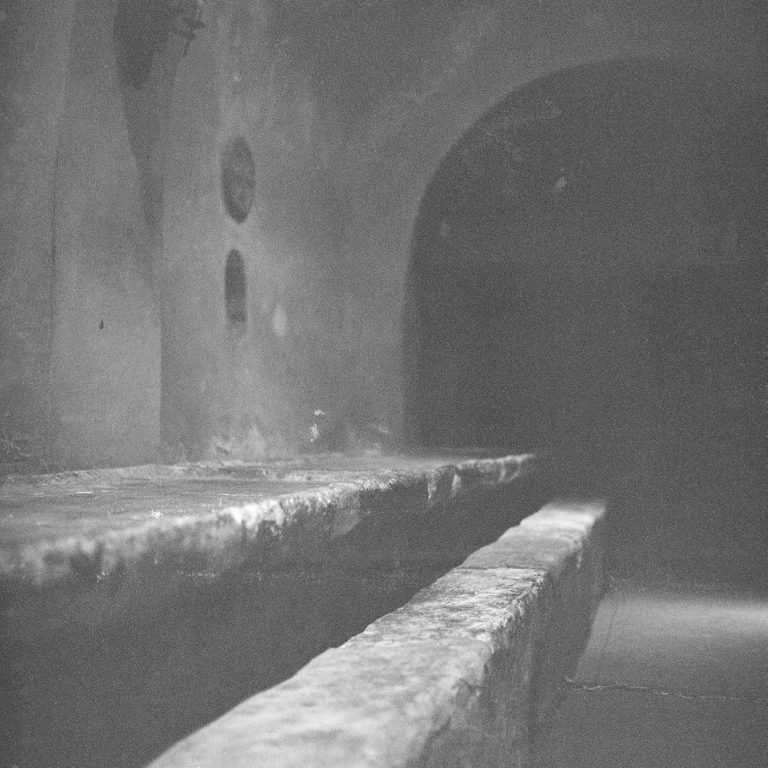
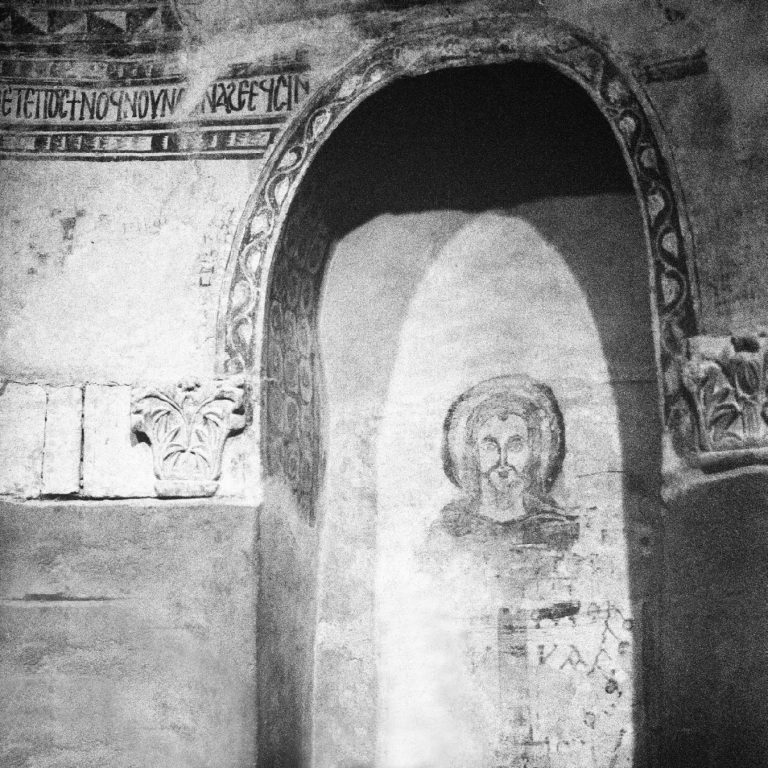
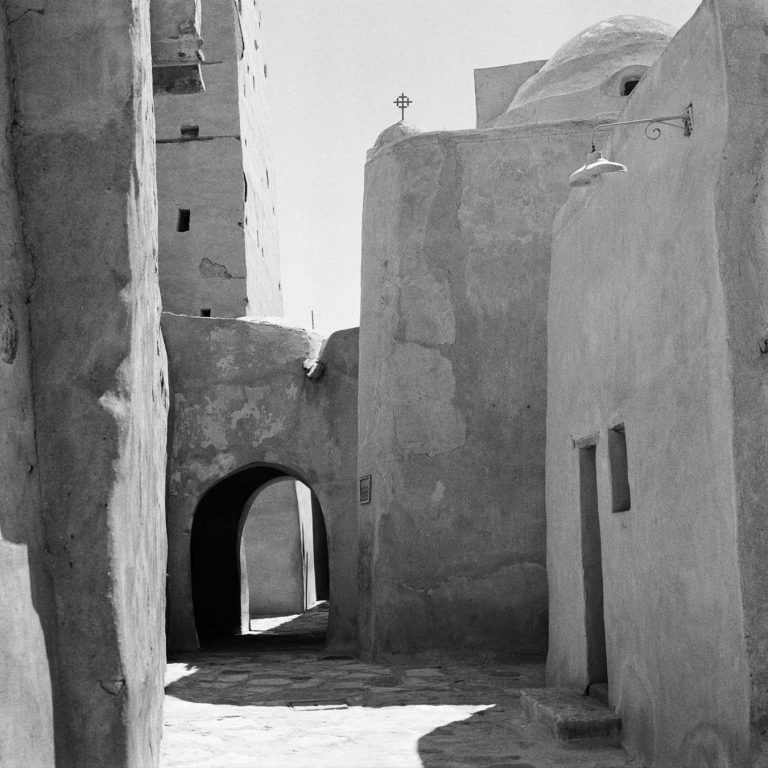
At the heart of Romany Hafez’s exhibition lies the intricate relationship between representation and reality which we explore through his black and white photography of Coptic Monasticism.
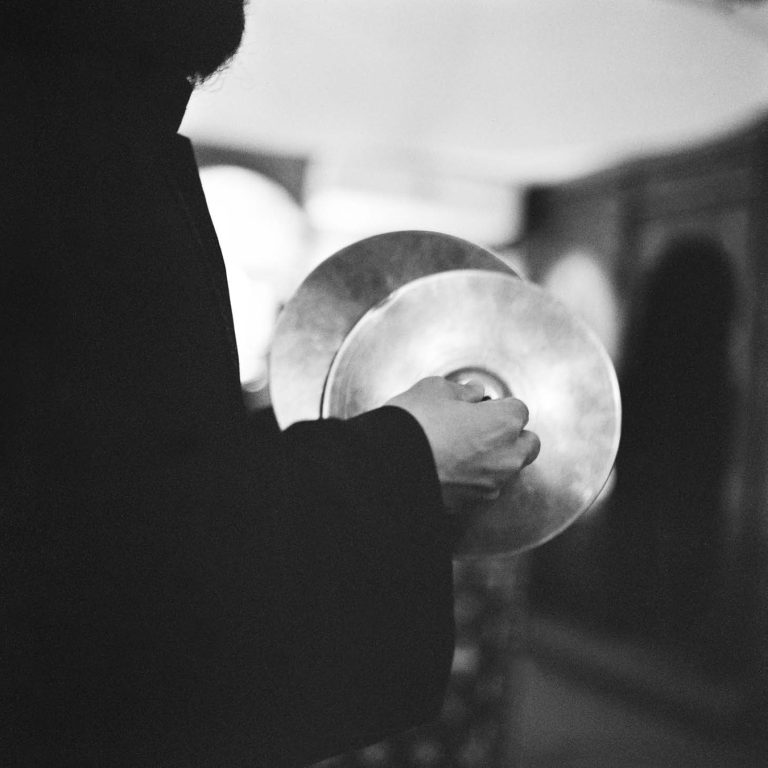
Drawing inspiration from Erwin Panofsky’s theory, particularly his concepts of iconography and iconology, Hafez’s work transcends mere representation to delve into the deeper meanings and cultural contexts embedded within these sacred spaces. Hafez’s work challenges these mediated representations by presenting the raw, contemplative essence of Coptic Monasticism in stark monochrome.
Hafez’s work challenges these mediated representations by presenting the raw, contemplative essence of Coptic Monasticism in stark monochrome.
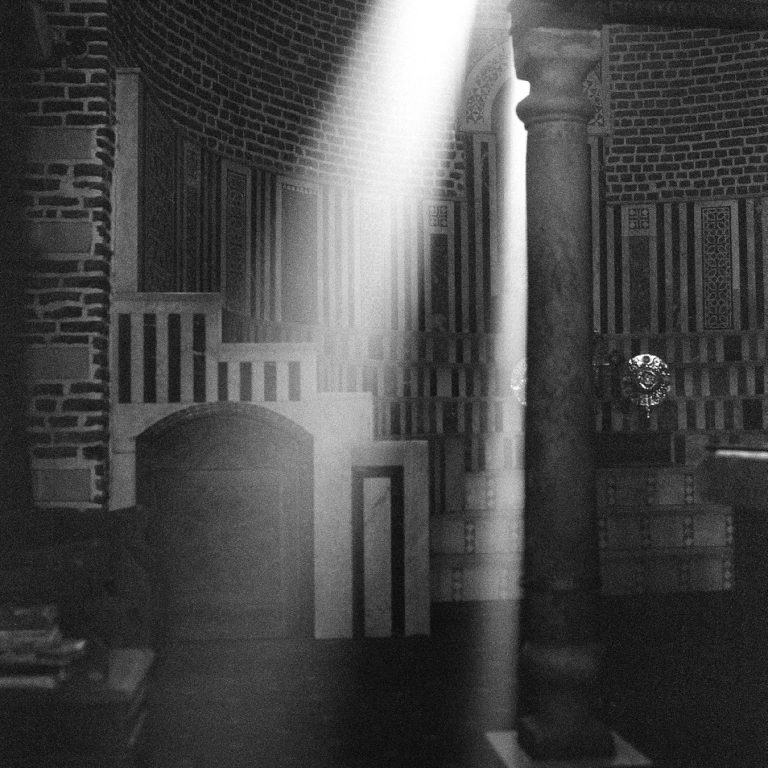
The images embody a duality: while they capture the tangible aspects of monastic architecture, they also evoke a deeper, almost ethereal quality that transcends mere representation.
The use of black and white accentuates the emotional weight of the scenes and strips away the distractions of color, allowing viewers to immerse themselves in fundamental truths of monasticism such as Spirituality, Solitude and Ritual while Silence can be felt in the stillness captured in the photographs, inviting moments of introspection and connection with a timeless spiritual tradition.
Panofsky’s framework encourages us to consider not only the visible aspects of these images but also the underlying narratives and symbols that inform them. The interplay between solitude and community, silence and prayer, manifests in Hafez’s work as a reflection on the inner journey of faith. The photographs serve as a bridge, connecting contemporary viewers to the ancient practices, contemplative rhythms of Coptic monasteries, and to question how media and popular representations shape our perception and understanding of faith and community.
 Untitled
POS RH 693 21
$2,800
 Untitled
POS RH 693 22
$1,000
 Untitled
POS RH 693 23
$1,000
 Untitled
POS RH 693 24
$1,000
 Untitled
POS RH 693 25
$1,000
 Untitled
POS RH 693 26
$1,700
 Untitled
POS RH 693 27
$1,000
 Untitled
POS RH 693 28
$1,000
 Untitled
POS RH 693 29
$1,000
 Untitled
POS RH 693 30
$1,000