Battered Waters
Anush Babajanyan
The collapse of the Soviet Union in the early 1990s left the countries of Central Asia facing serious environmental challenges and a lack of coordination over shared water resources. In response to the region’s growing water crisis, and to visualise the realities of water management, I travelled to four Central Asian countries. Upstream Kyrgyzstan and Tajikistan control the flow of the region’s two major rivers, which sustain downstream Uzbekistan and water-scarce Kazakhstan.
Today, around 67 million people live in this landlocked region—roughly the size of Europe—relying on its rivers and glaciers as their primary sources of water. At the same time, climate change is intensifying pressures across all four nations, accelerating environmental degradation and uncertainty.
This project tells the story of Central Asia’s environmental crisis through its landscapes and its people, revealing the visible consequences of climate change already unfolding in this often-overlooked region.
 Zapadnyy Suek
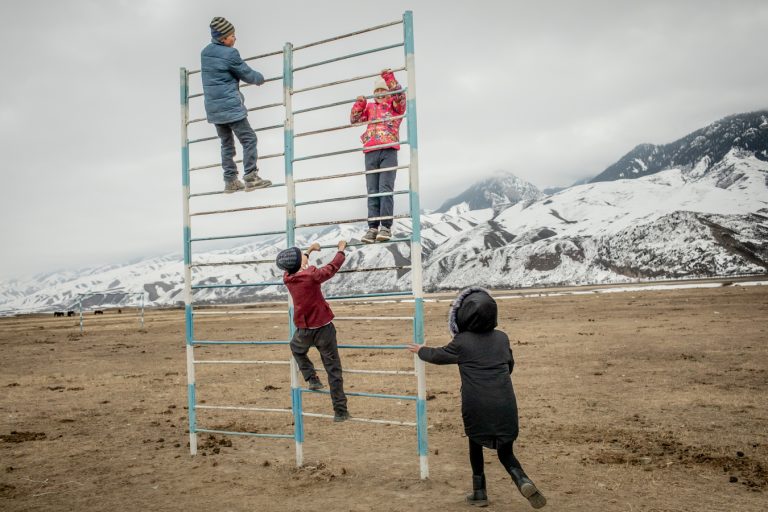 Ak-Kyya
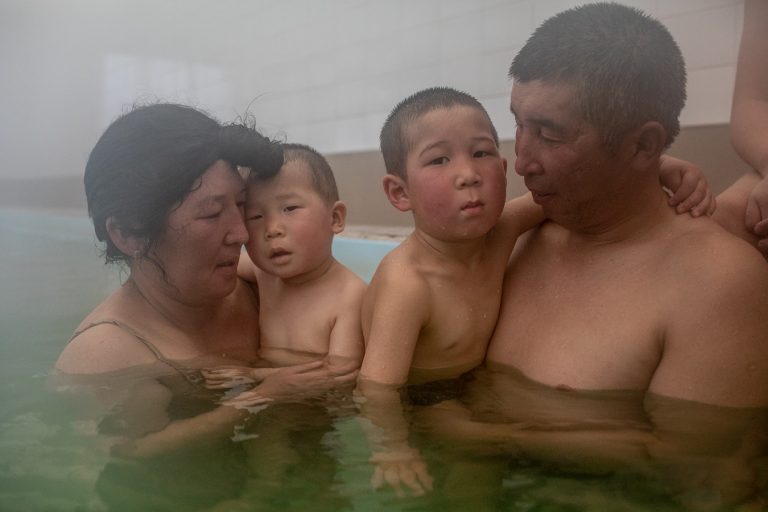 Kaji-Say
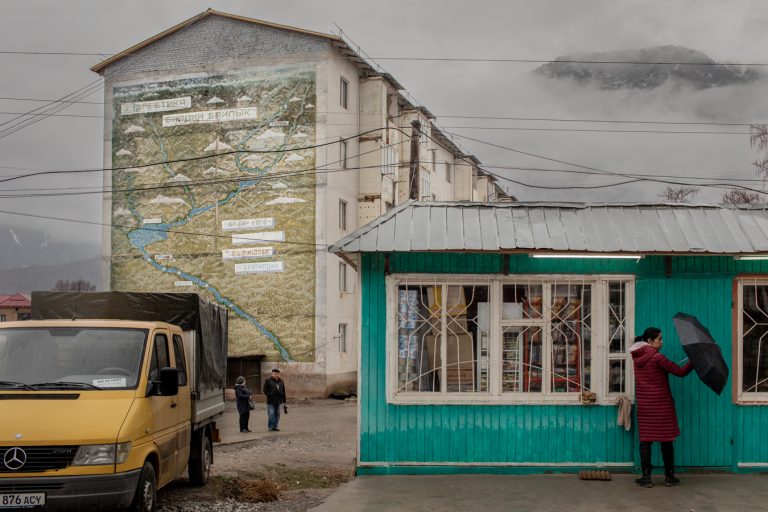 Kara-Köl
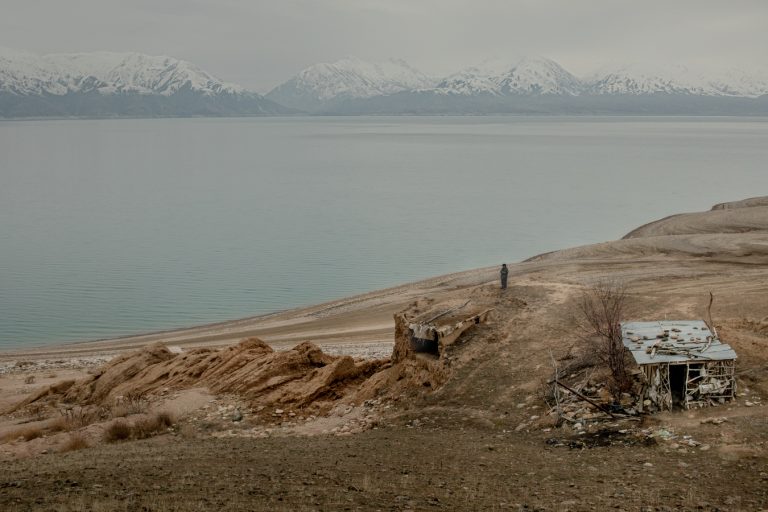 Toktogul
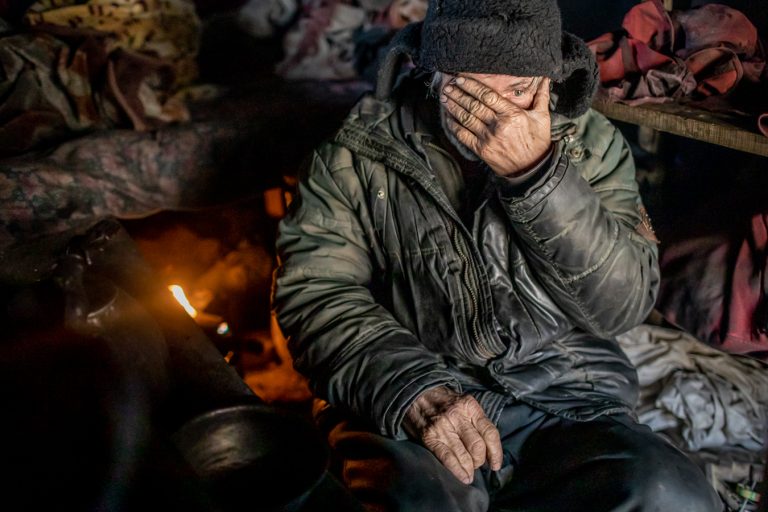 Nurislam
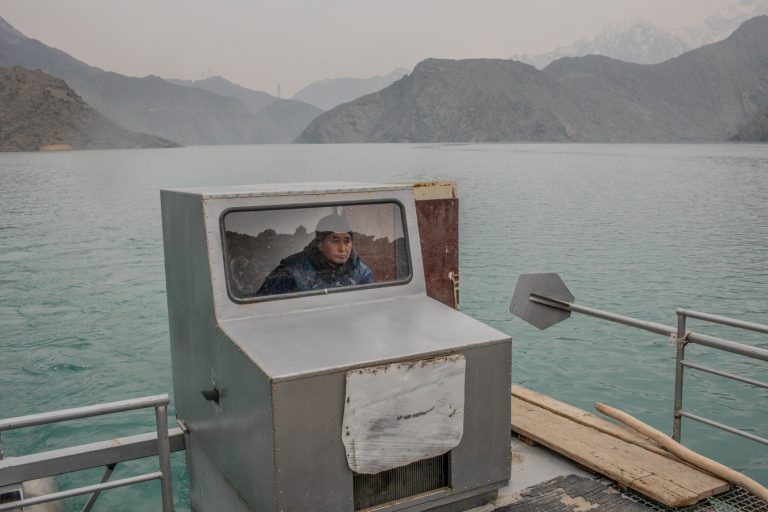 Kyzyl-Beyit
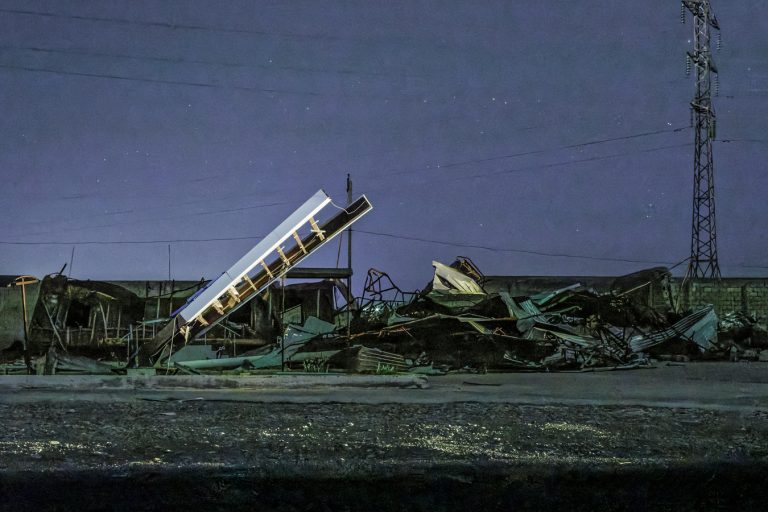 Kyrgyzstan-Tajikistan Border
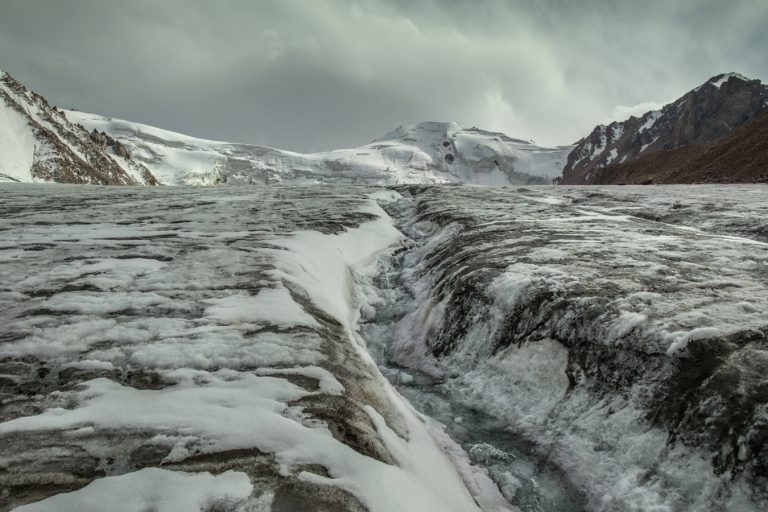 Tuyuksu
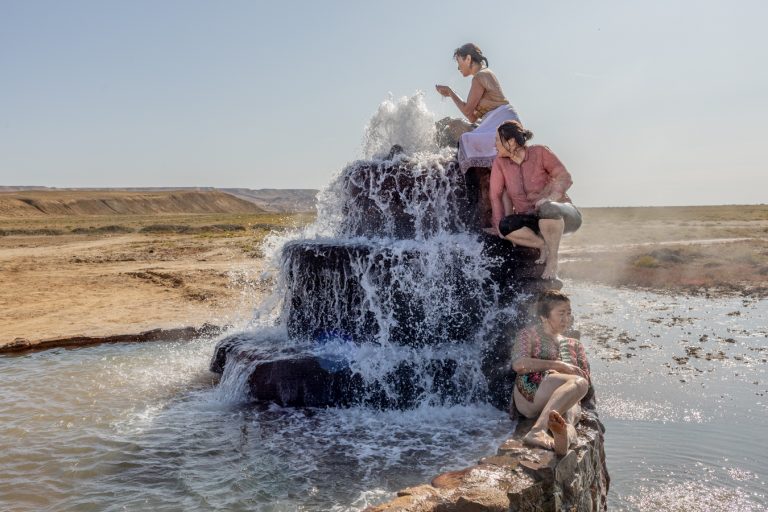 Aral Sea
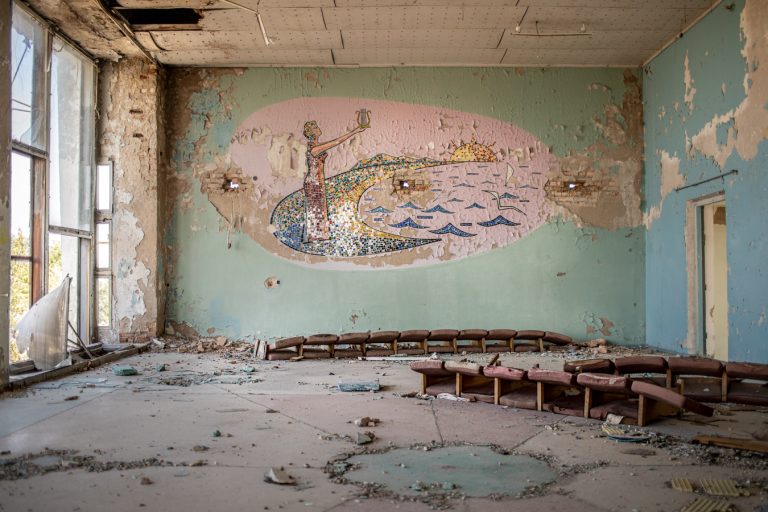 Mirny
Mirny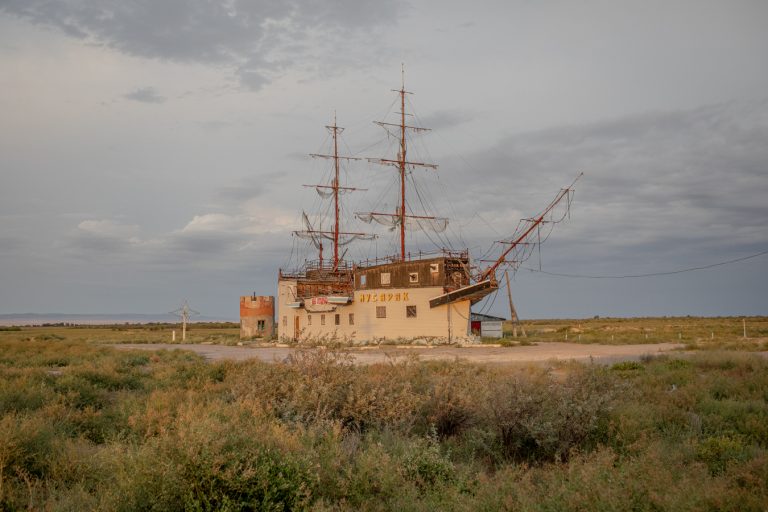 Local Titanic
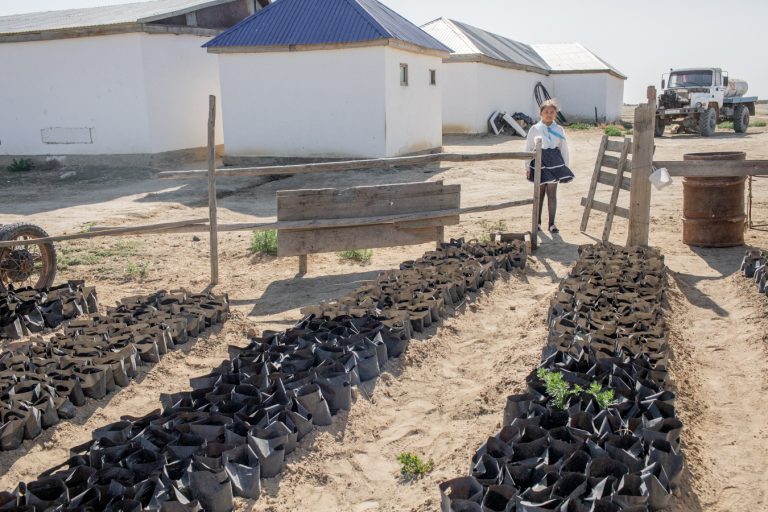 Karateren
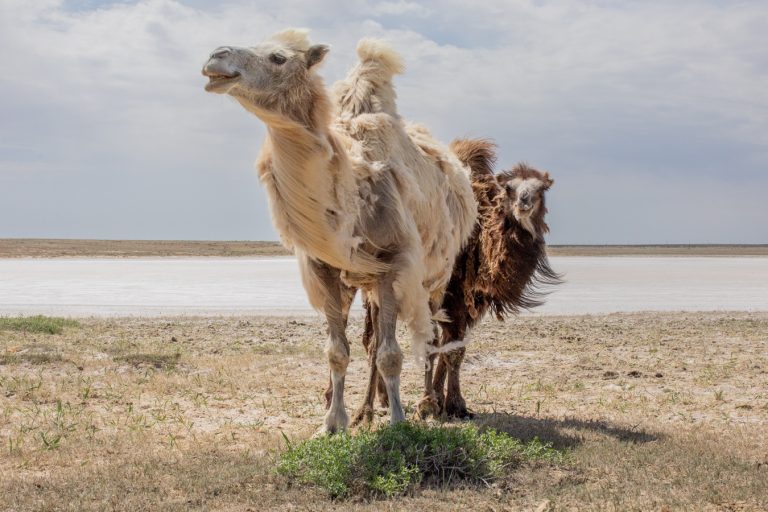 Aral
Aral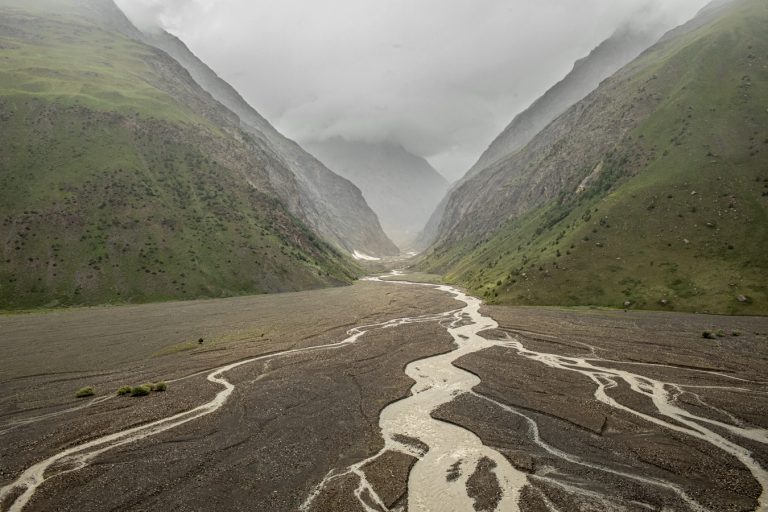 Zeravshan
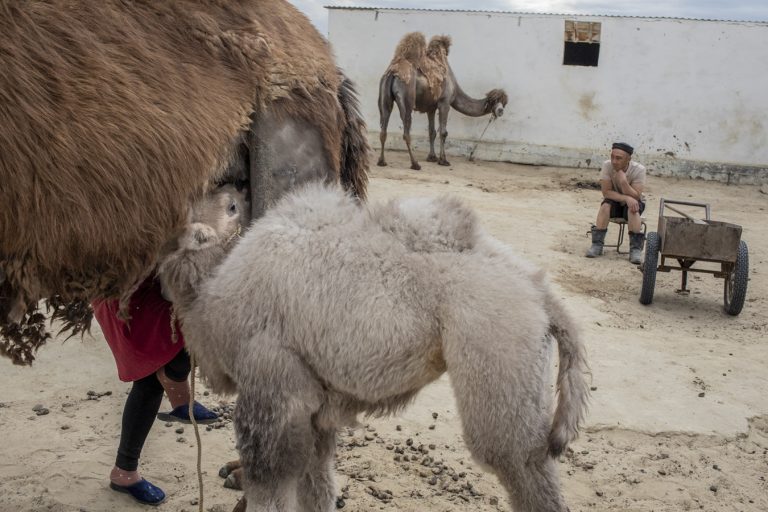 Tastubek
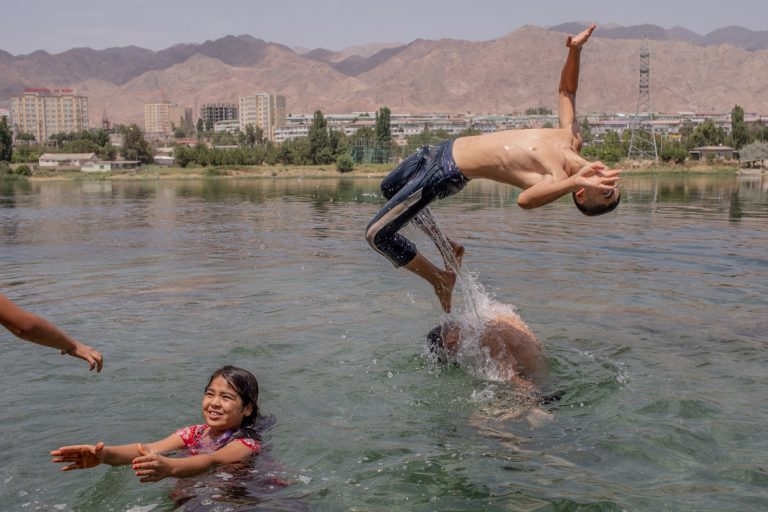 Khujand
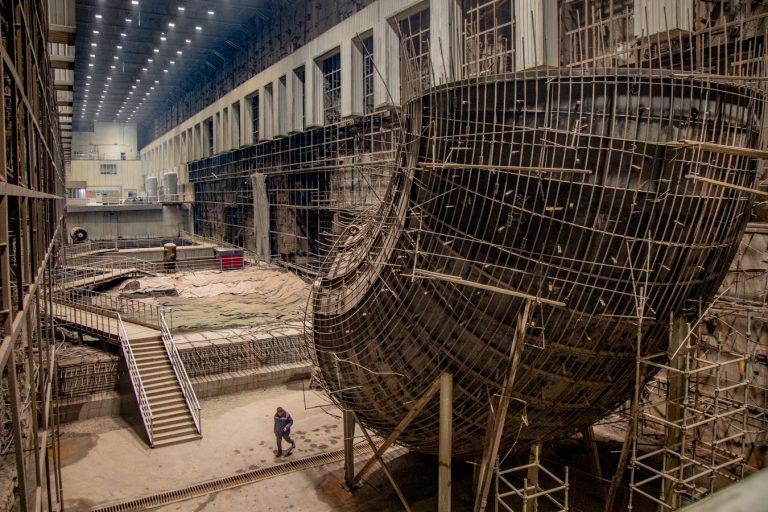 Rogun
Rogun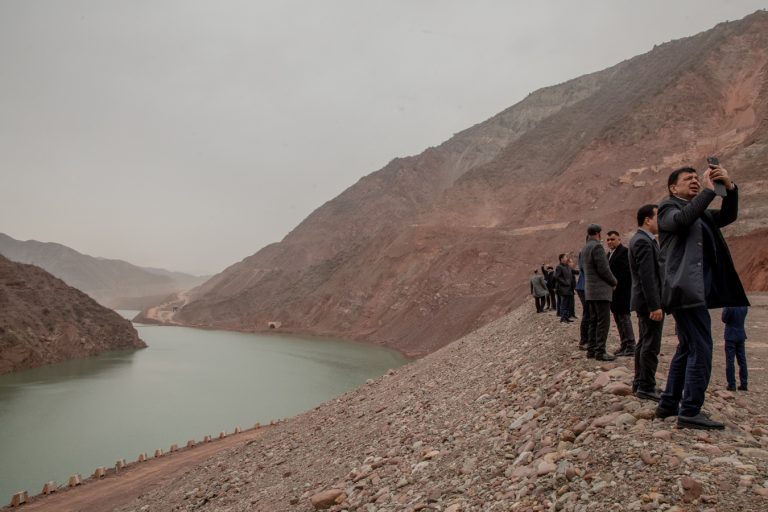 Rogun Dam Visitors
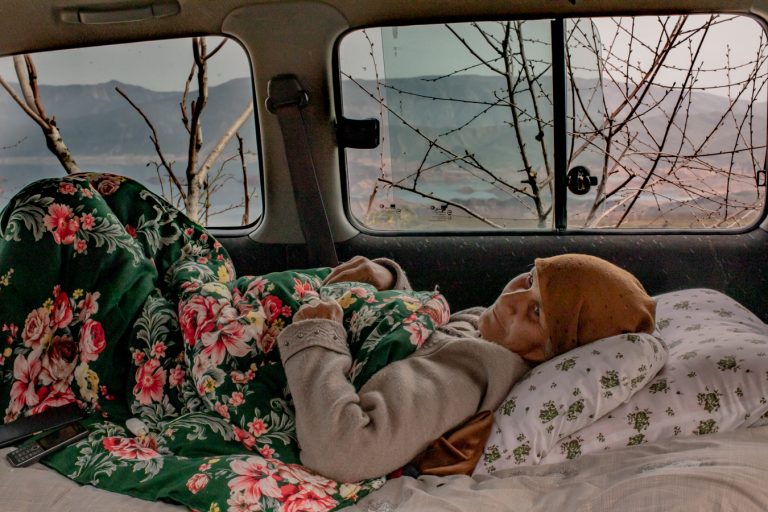 Norak
Norak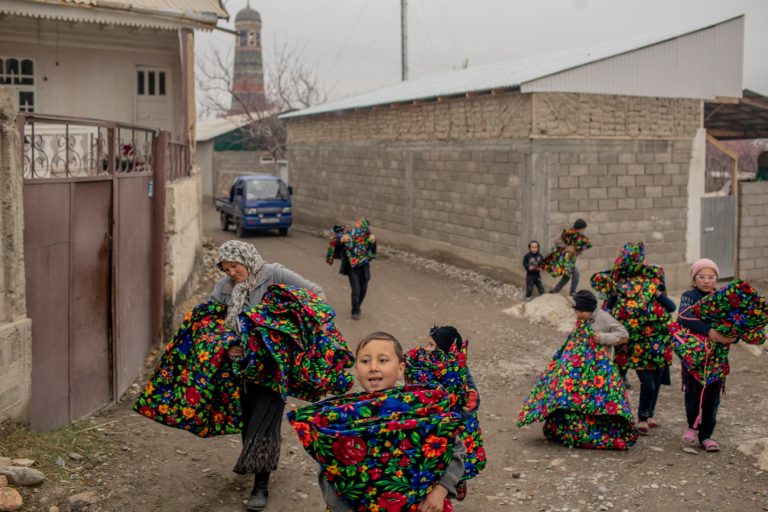 Khojai A’lo
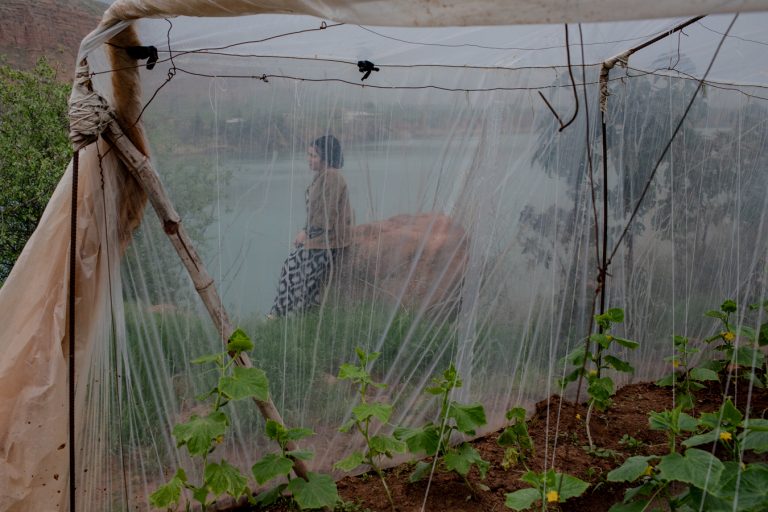 Istiqlol
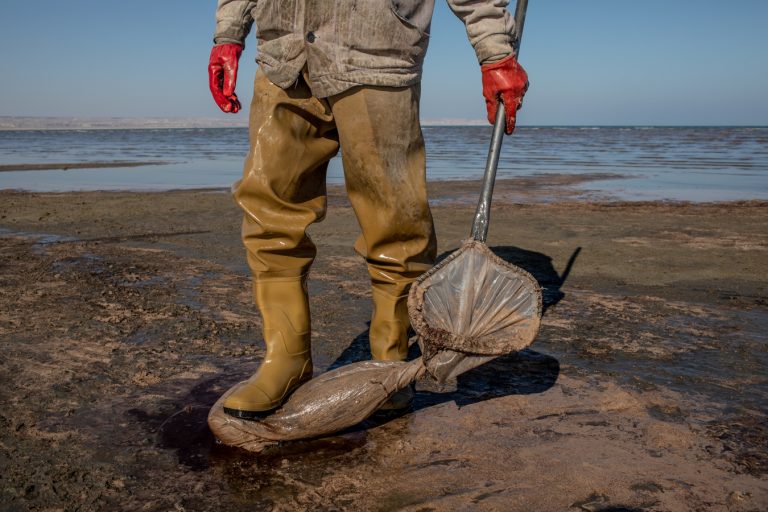 Artemia
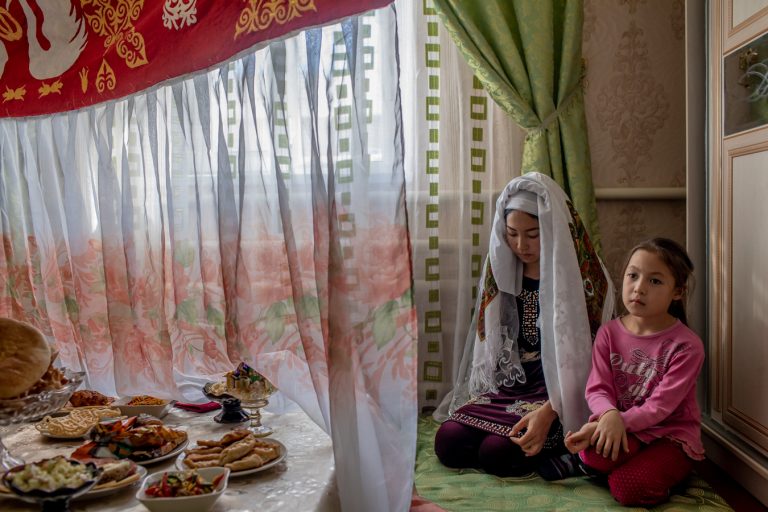 Moynaq
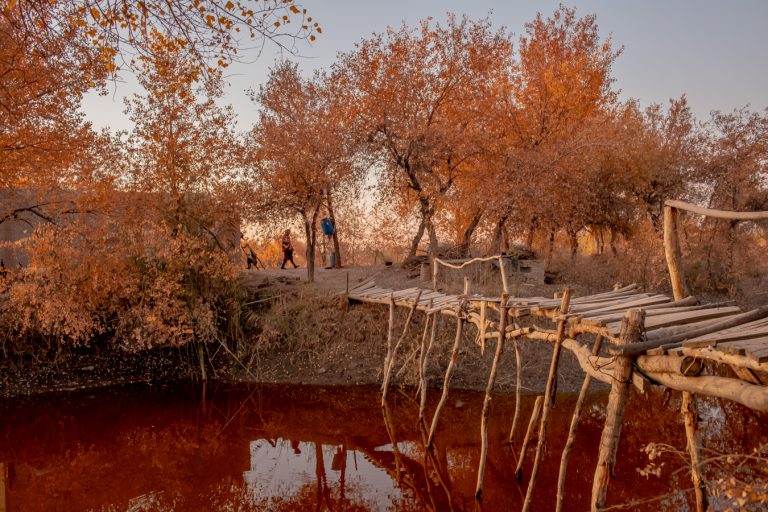 Amu Darya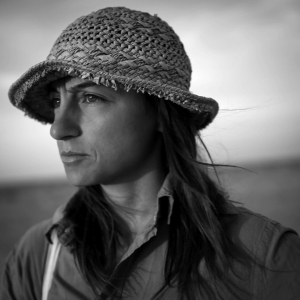
Anush Babajanyan is an Armenian photographer, contributing member of VII Photo and a National Geographic Explorer. Based between Yerevan and Munich, she focuses on long-term documentary projects across the South Caucasus and Central Asia. Her recent book A Troubled Home explores life in Nagorno-Karabakh. Anush won the 2023 World Press Photo Long Term Projects award for Battered Waters and received the Canon Female Photojournalist Grant in 2019. Her work has appeared in The New York Times, Washington Post, GEO, and other major international publications.