When They Are Free
Andrey Gudkov
Can wild animals be photographed in a studio? How can the classic, staged aesthetics of studio photography, with its controlled lighting, be combined with the genuine presence of wild animals? These questions inspired the project When They Are Free. Two main challenges quickly emerged: creative and technical.
Having spent more than 20 years photographing animals in their natural habitats, travelling to over 40 countries and building an extensive archive of wildlife images, I began the process of selection. The chosen photographs needed to be both highly representative and captured at their strongest moments, through striking behaviour, expressive presence, distinctive portraits, natural interactions, or rare encounters between species. Every detail mattered: posture, expression, gaze, and any defining or uncommon gesture.
Lighting was equally crucial. Each image had to suggest studio conditions, with depth and dramatic clarity. Once selected, the animals were carefully separated from their natural environments, allowing full focus on the subject. The backgrounds were replaced with black or white to enhance volume and achieve a studio-like presence. All processing was done manually using traditional editing techniques, without the use of AI.
The final project comprises 43 photographs taken across 17 countries, many featuring rare or endangered species. When They Are Free was featured in Wildlife Photographic magazine in the United States in March and September 2025.
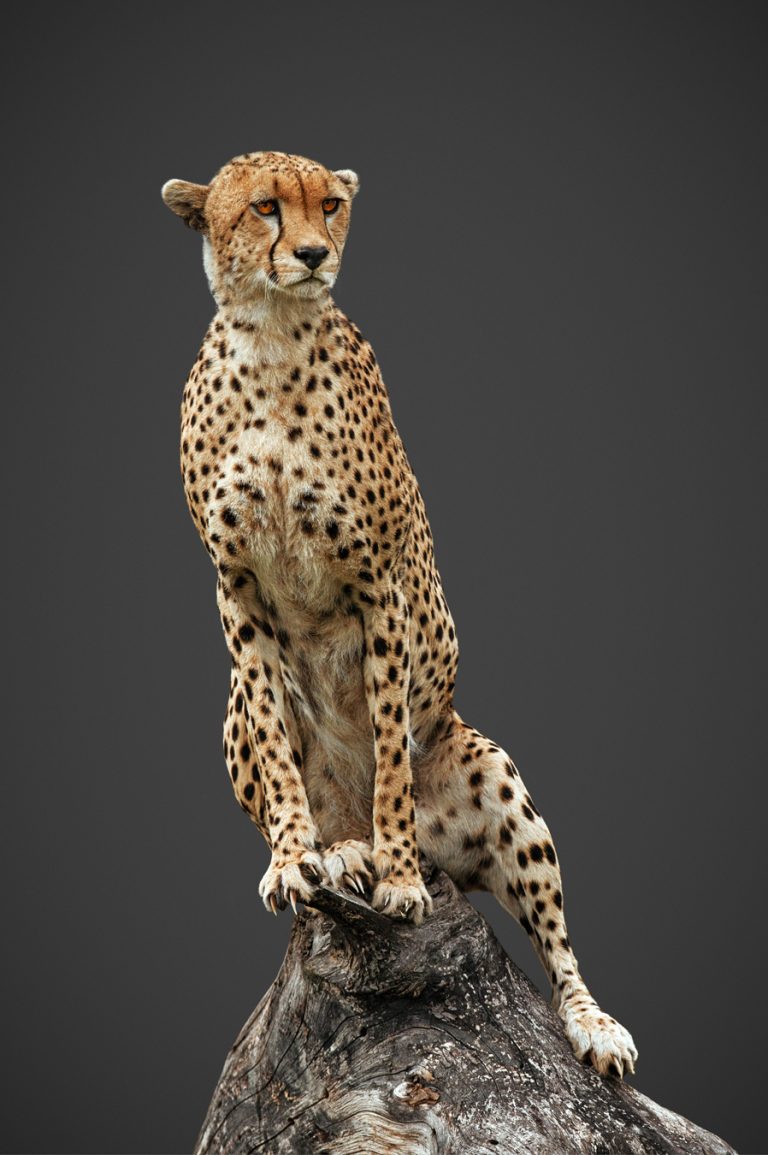 Cheetah on a tree$800
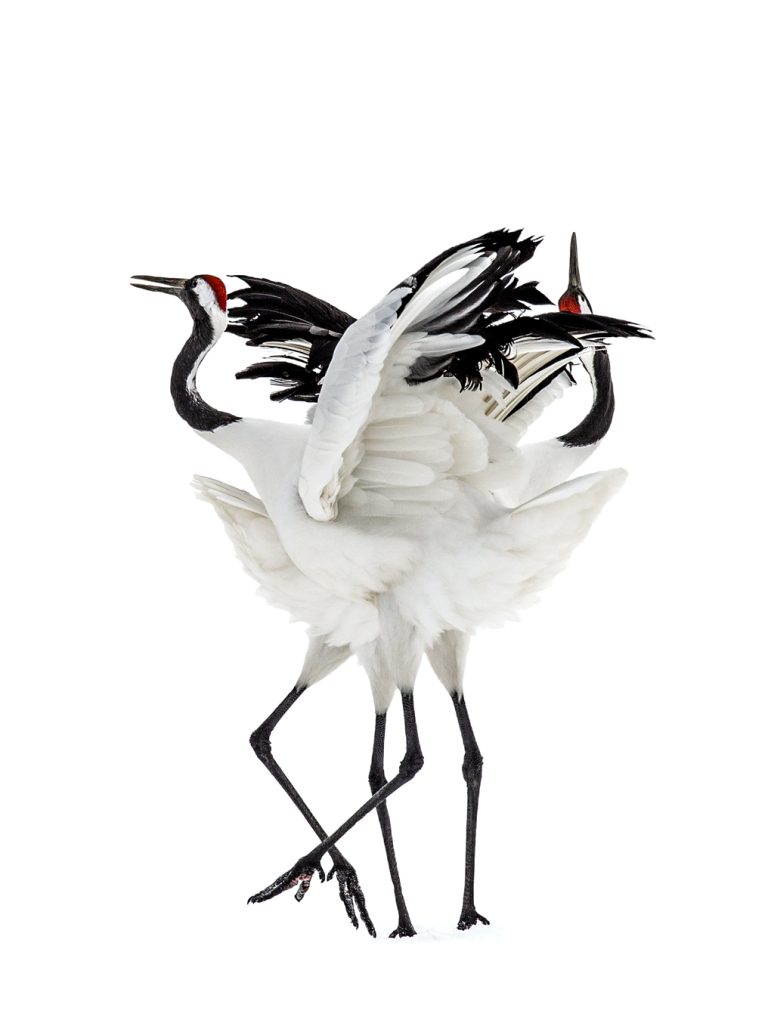 Japanese Crane Dance$500
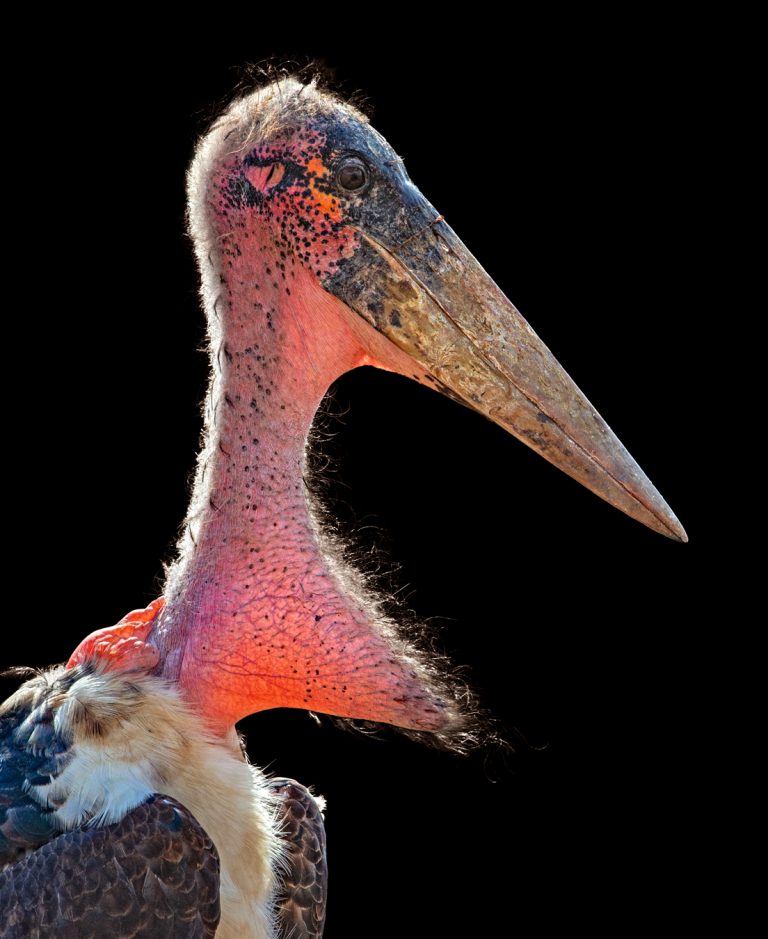 Portrait of Marabou
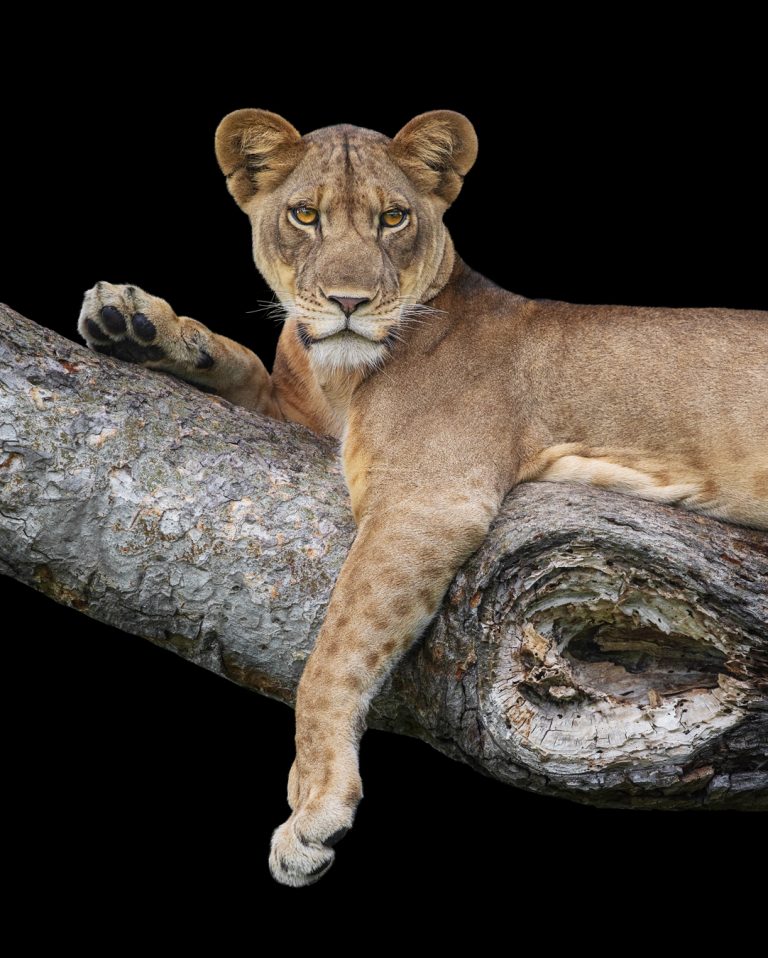 Lioness in a tree$800
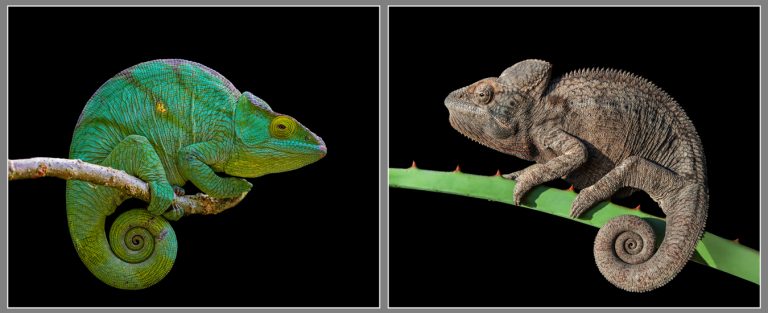 Two Chameleons$1,200
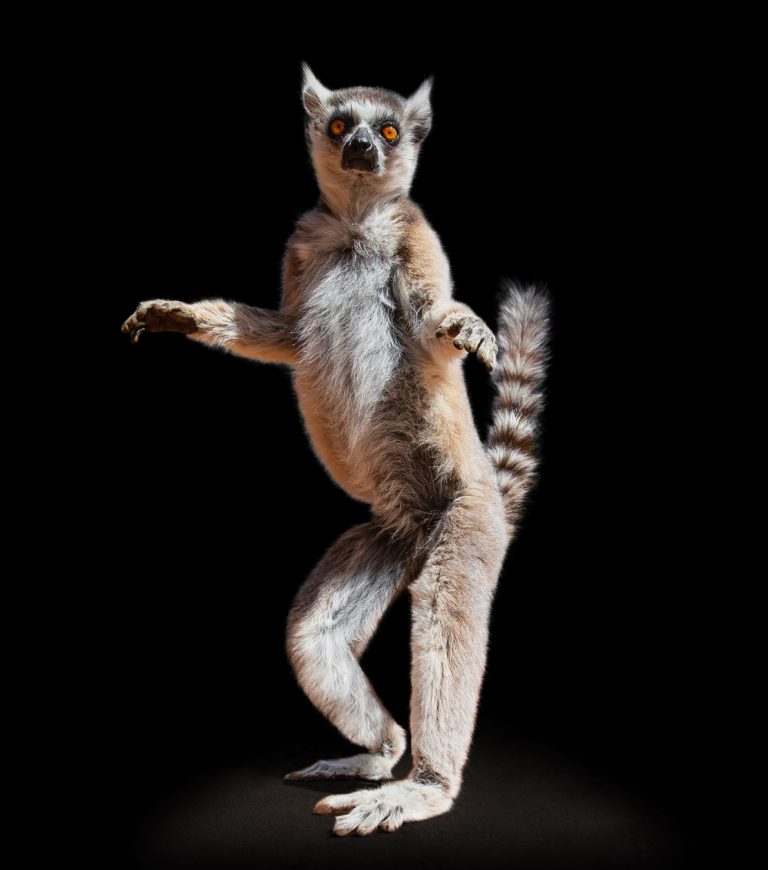 Portrait of a Ring-tailed lemur
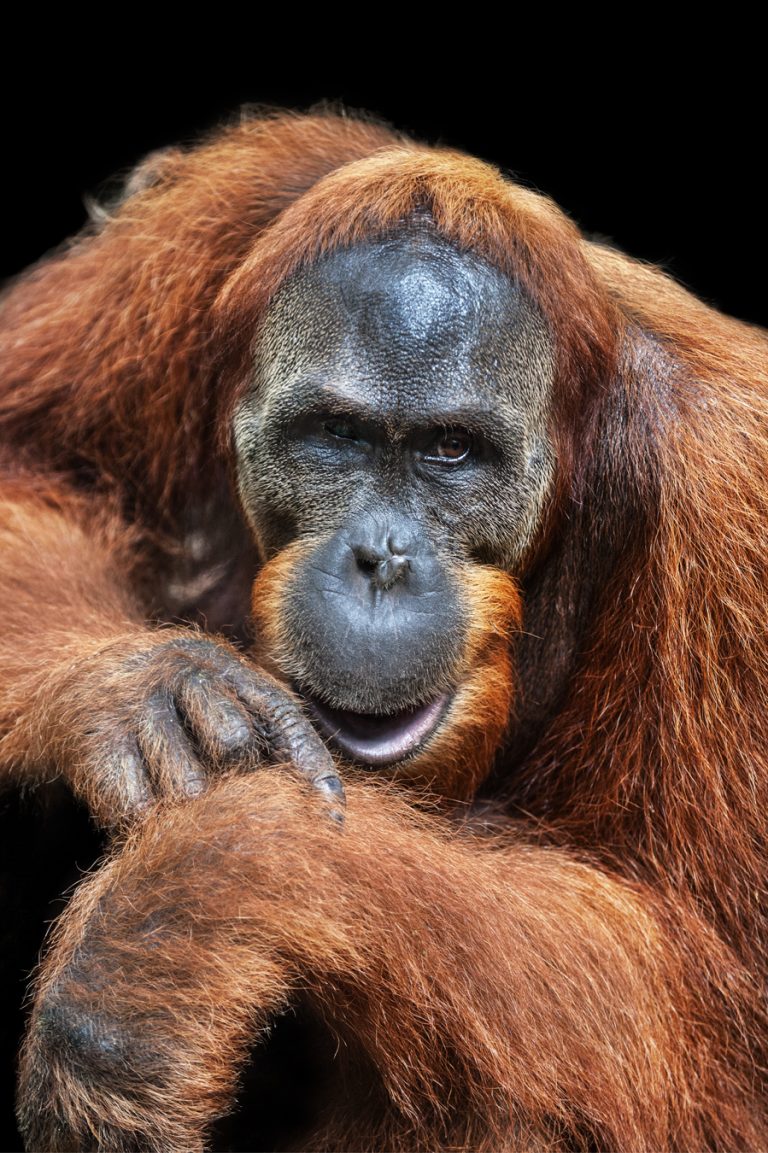 Orangutan portrait
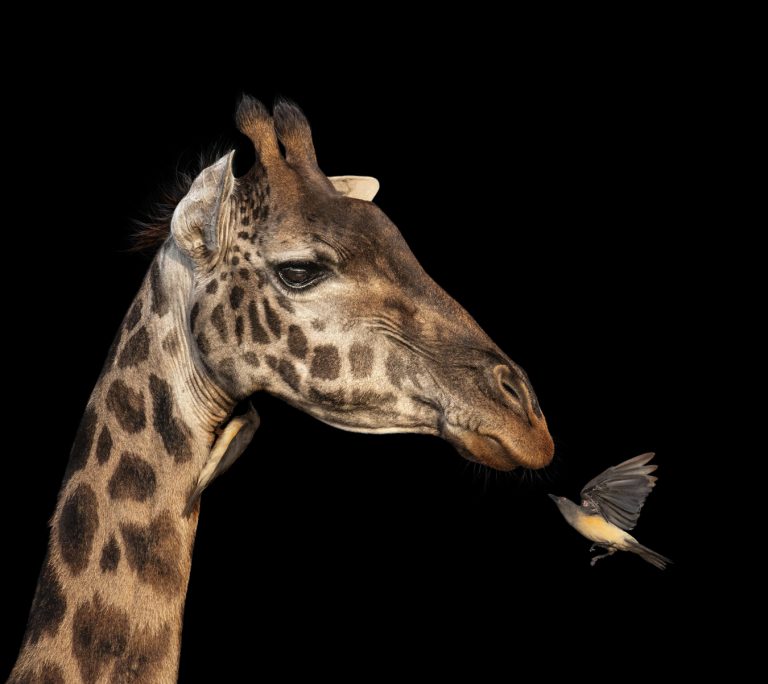 High Relations$800
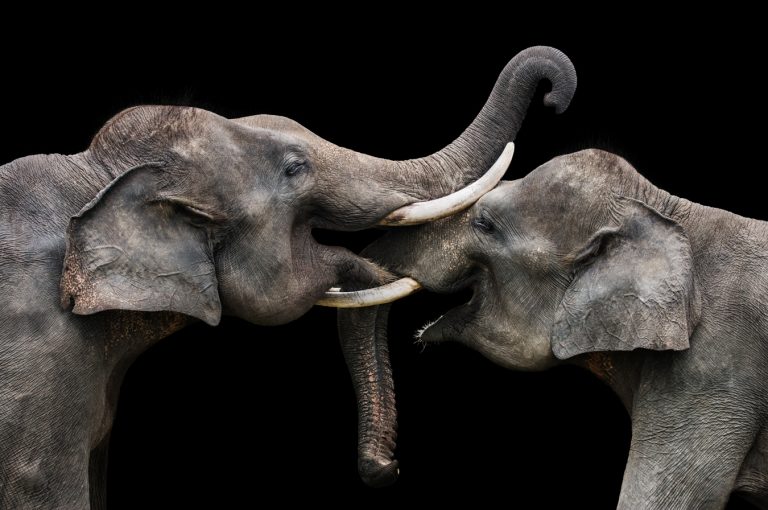 Elephant Games$800
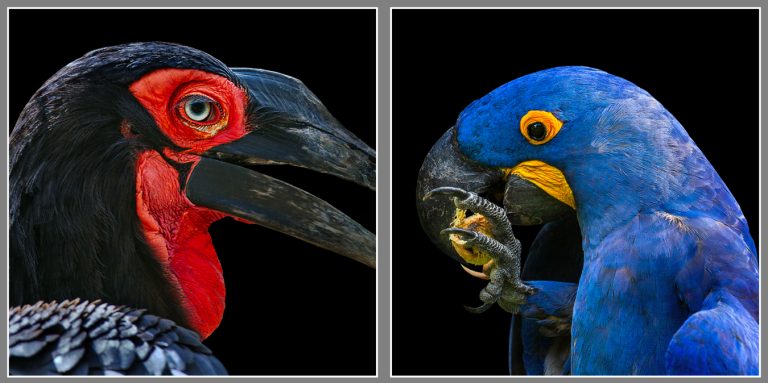 Portrait of a Southern Ground Crow and a Hyacinth Macaw
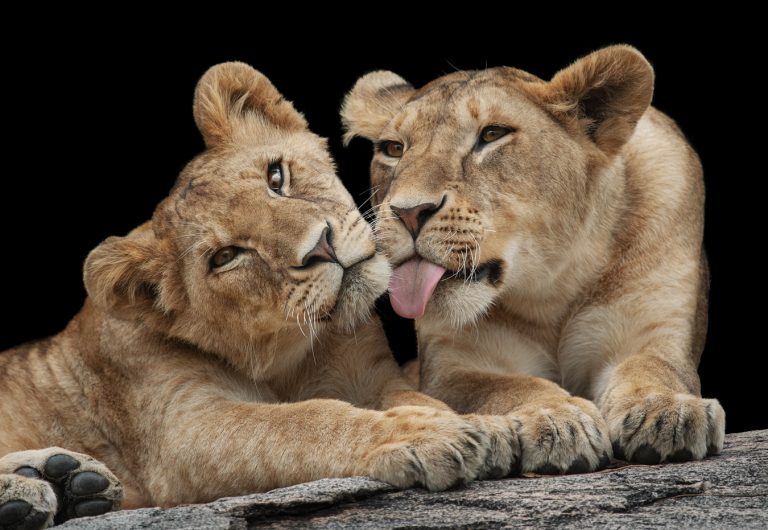 Tenderness$800
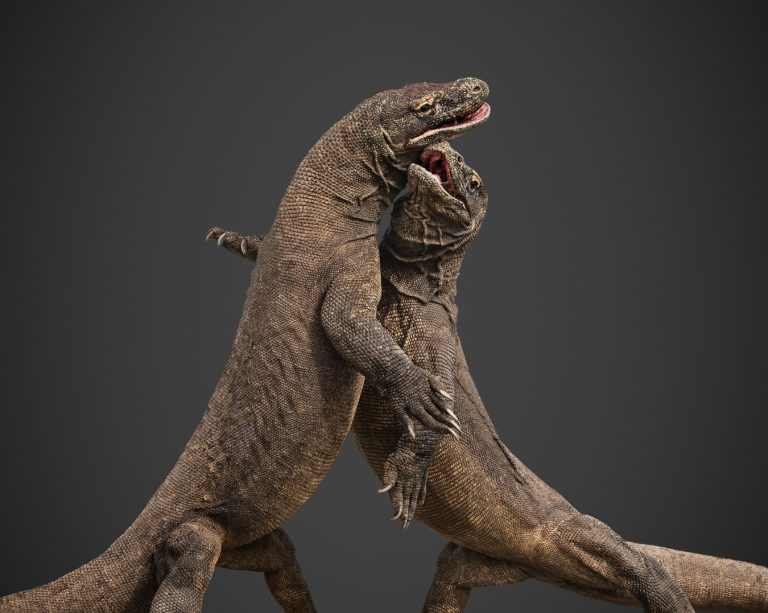 Two Komodo dragons fighting
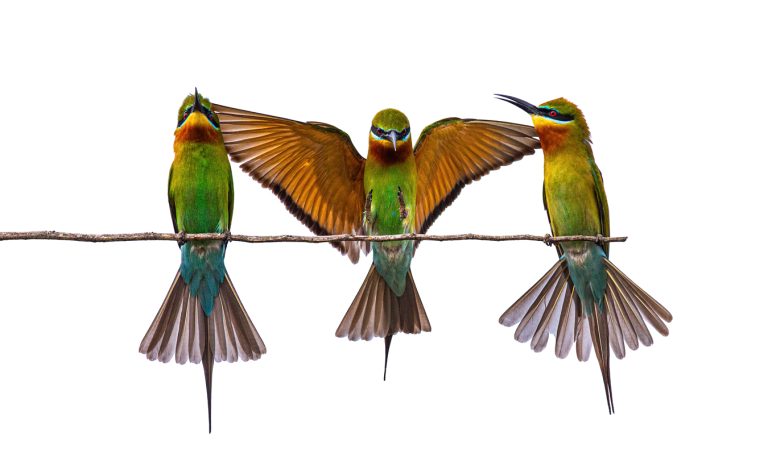 Trio$800
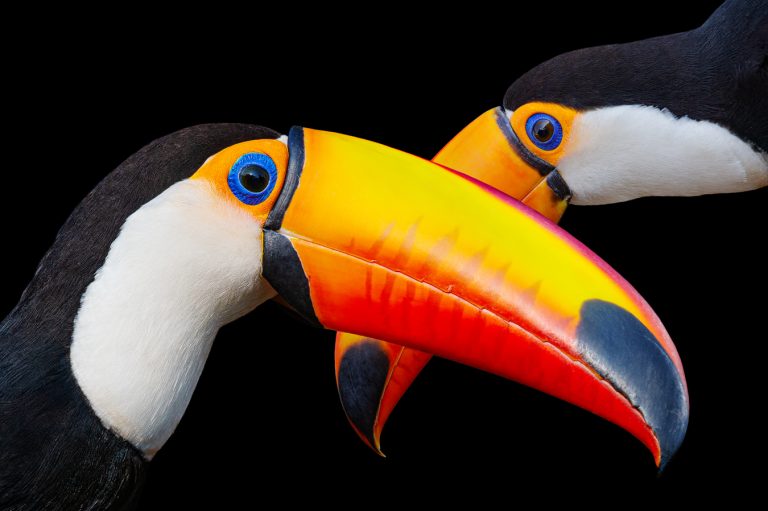 Portrait of two Toucans$800
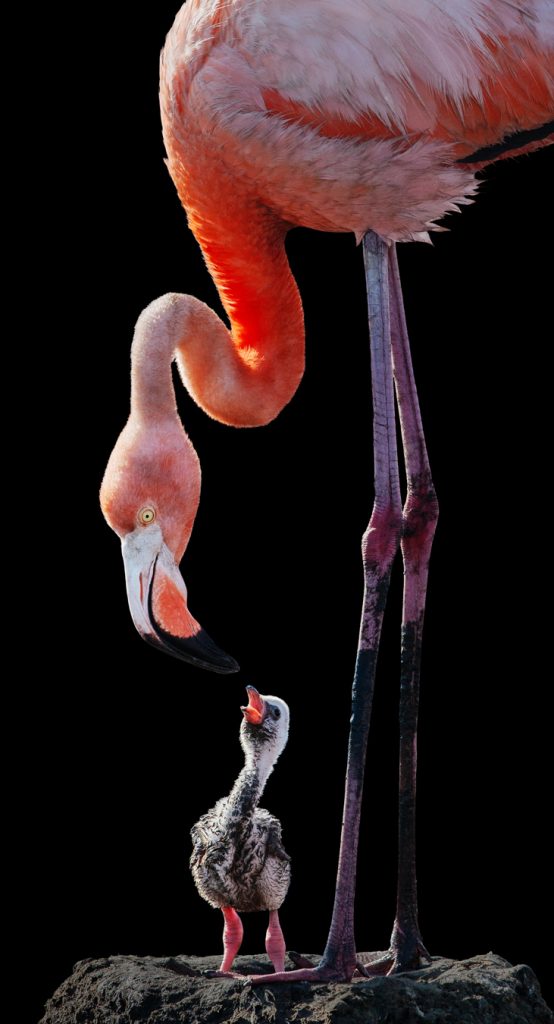 Caribbean flamingo on a nest with a chick$1,200
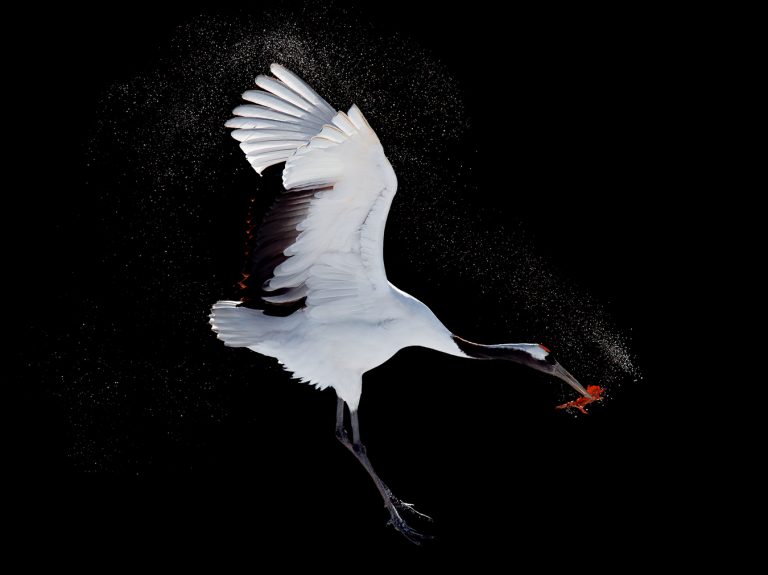 Dance of Passion$800
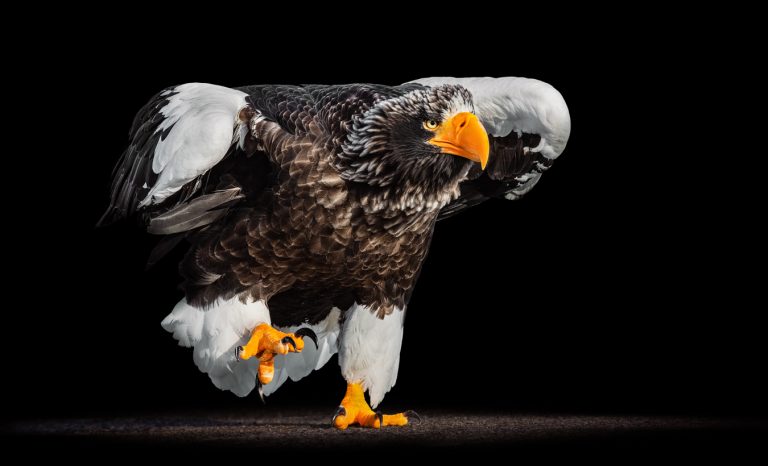 Steller's sea eagle$500
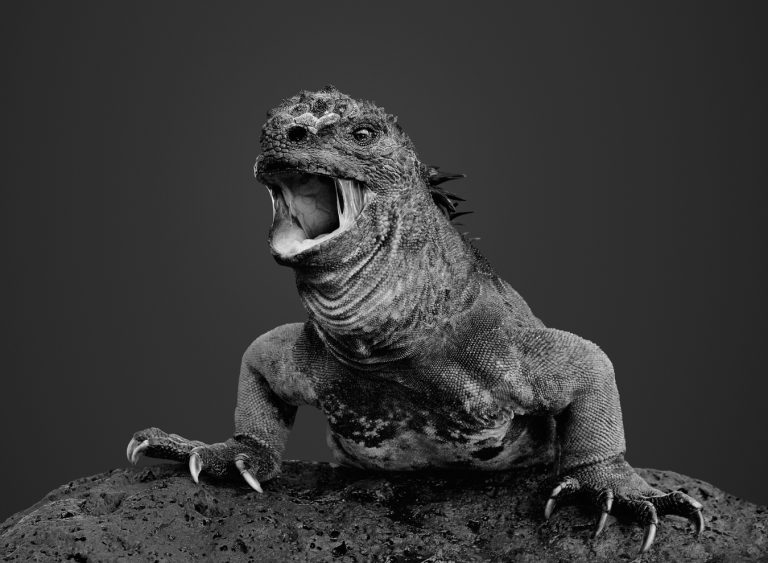 Portrait of a marine iguana$800
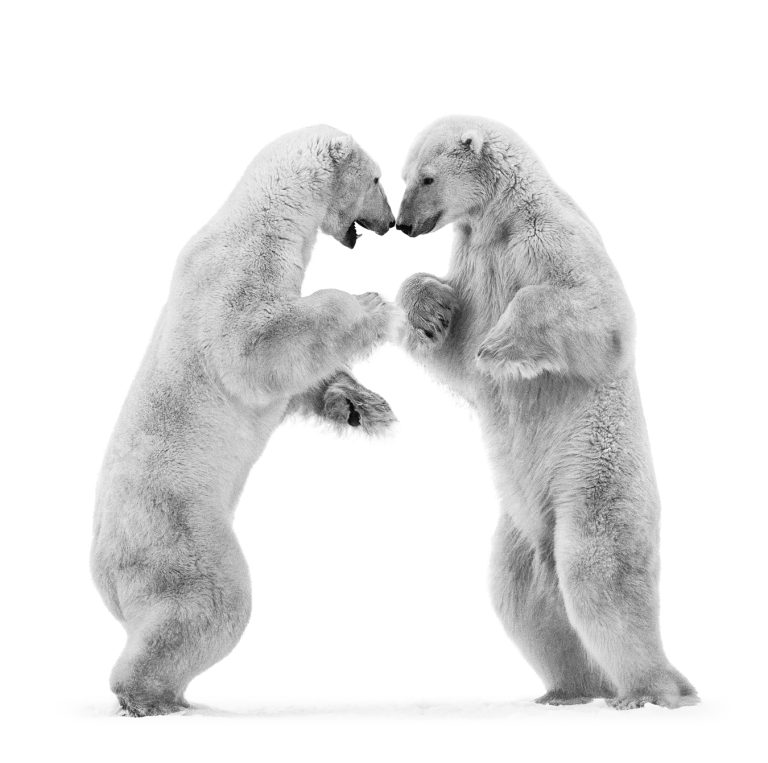 Eye to eye$500
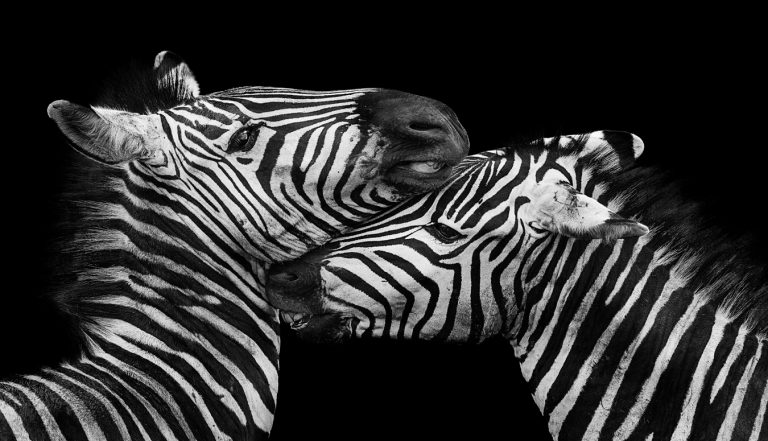 Striped Games$800
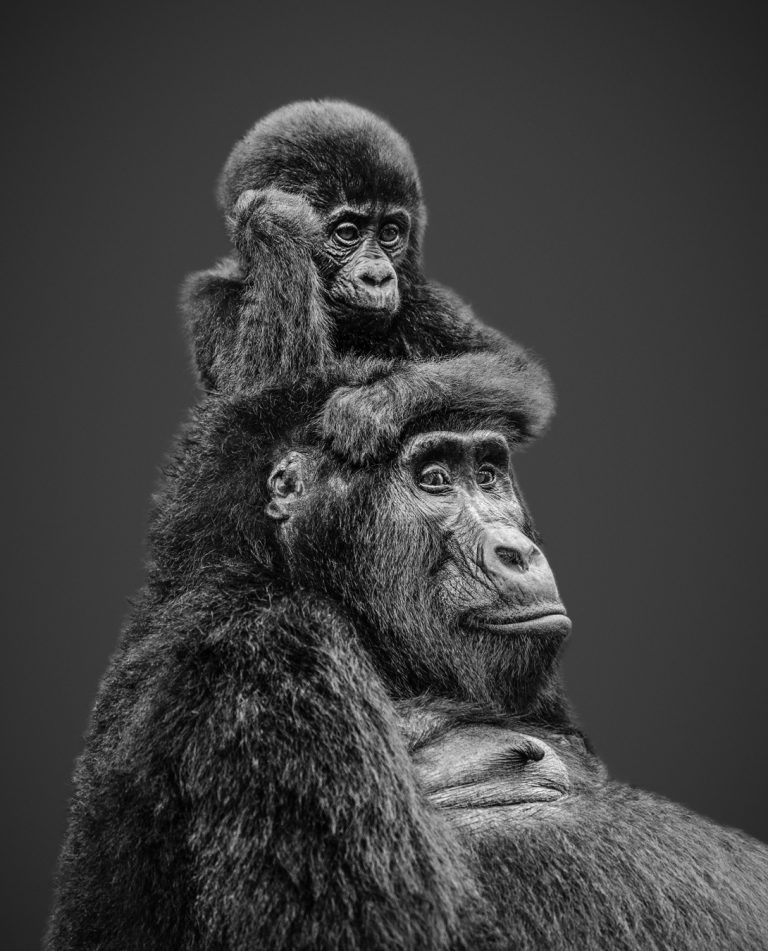 Serious thoughts
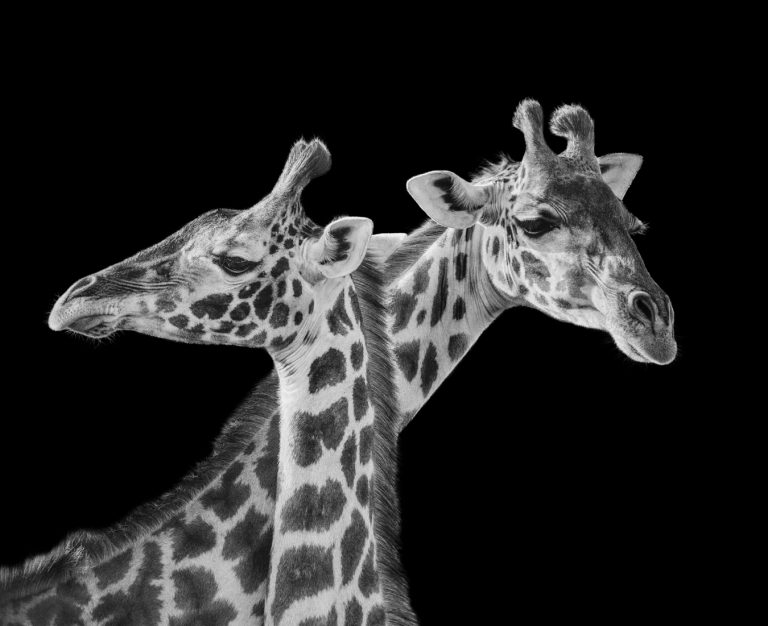 Portrait of giraffes$800
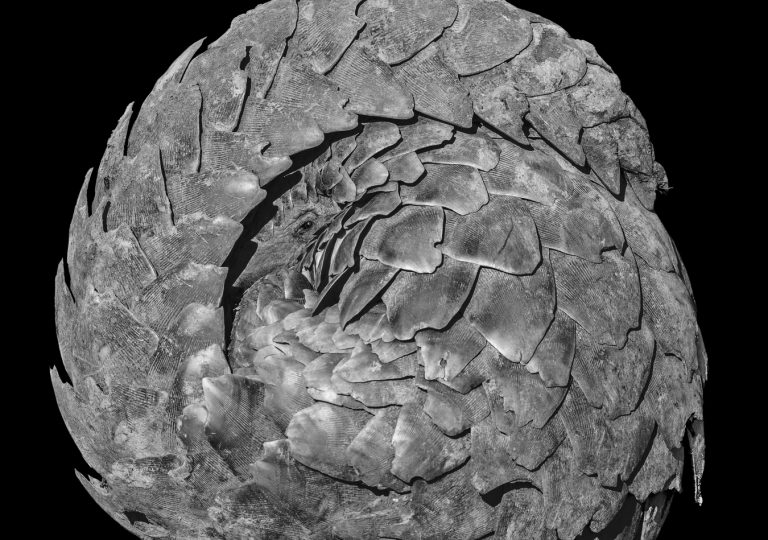 Pangolin portrait$800
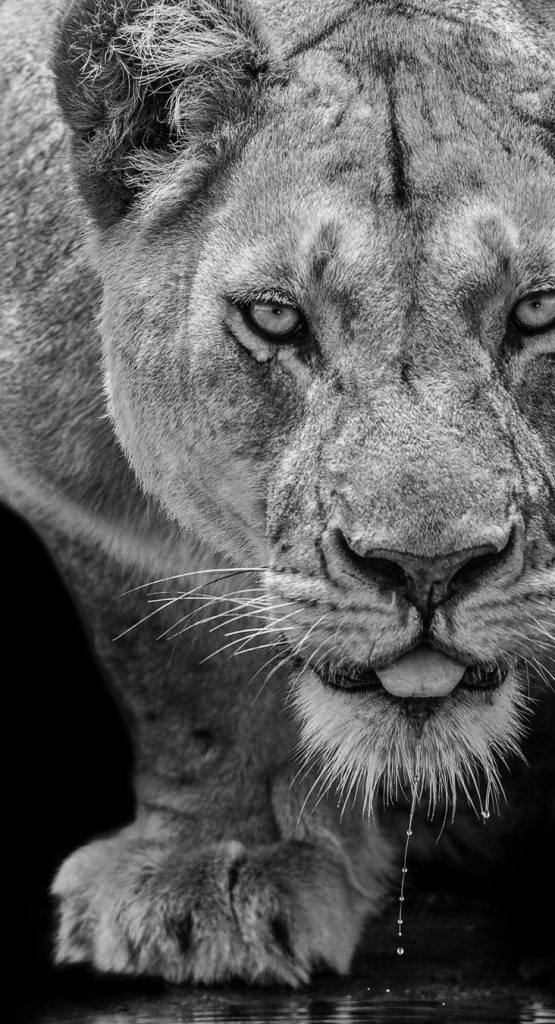 Portrait of a lioness$800
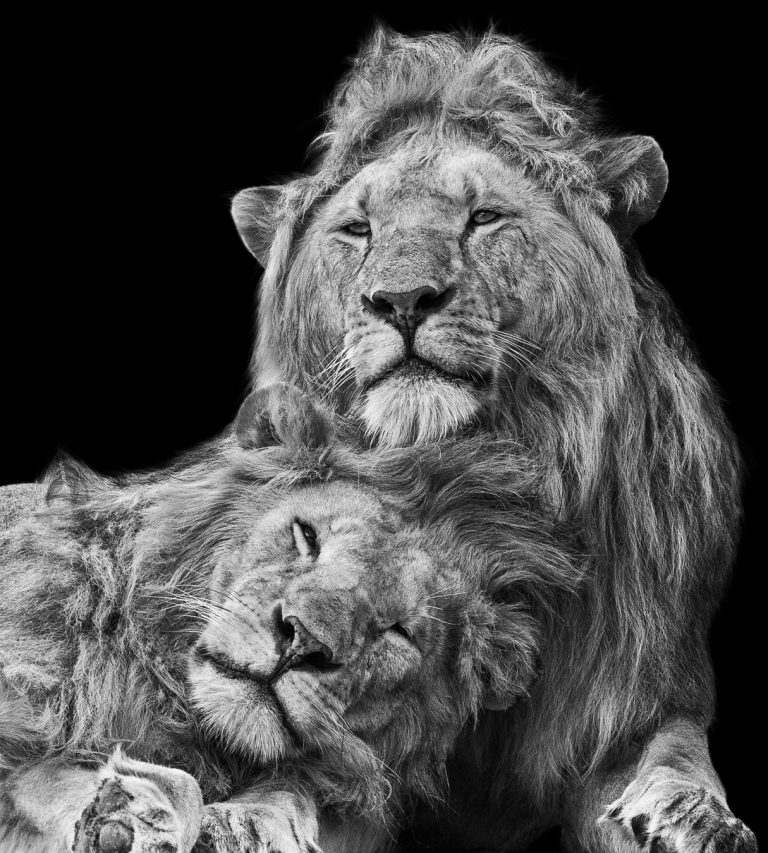 Brotherly bonds$800
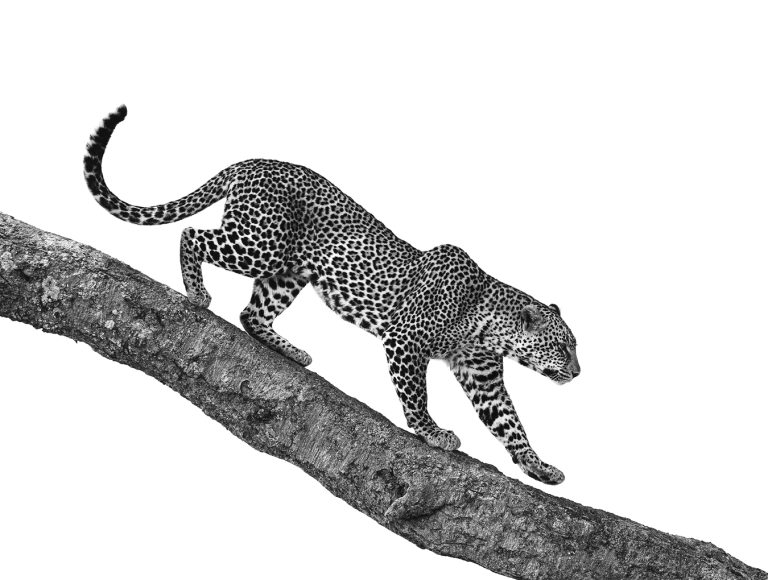 Leopard on a tree$800
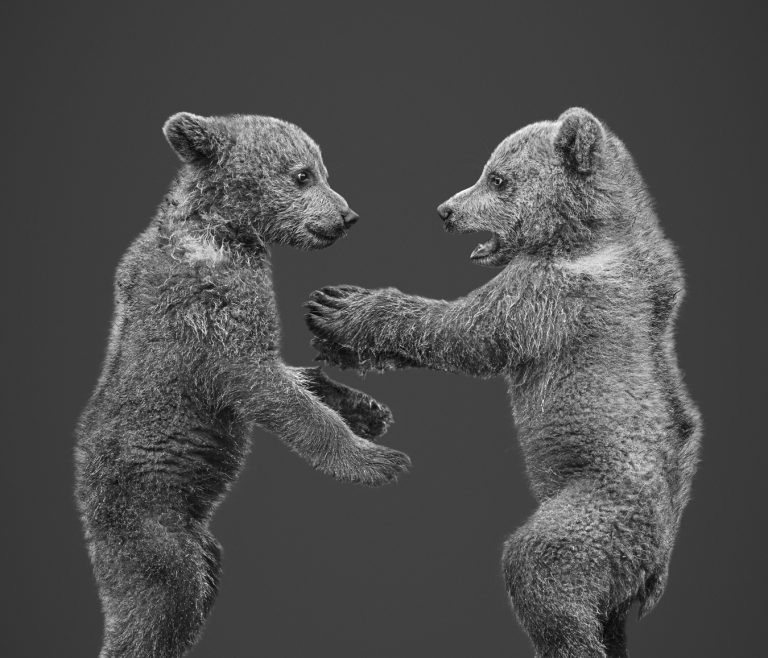 Hello, friend
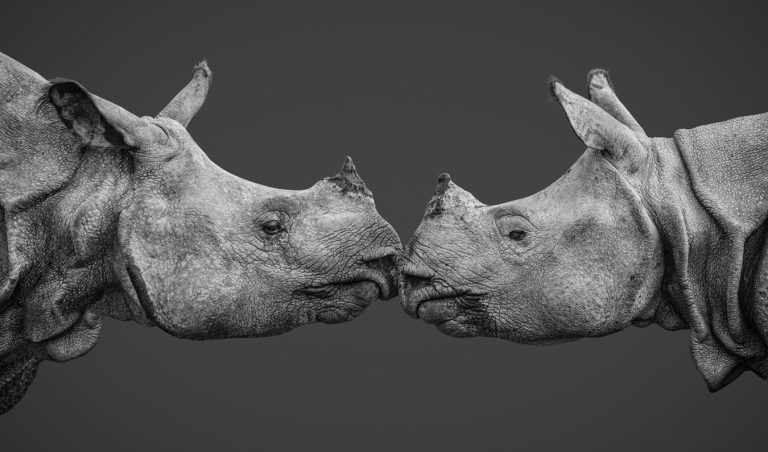 Communication$800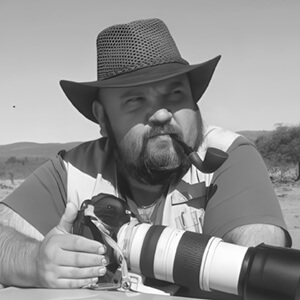
Andrey Gudkov is a Russian wildlife photographer whose work spans continents, from the Galápagos and Madagascar to Africa, Russia and Southeast Asia. Inspired by masters such as Frans Lanting and Nick Brandt, he developed a unique style that blends artistry with responsibility. His acclaimed books Neighbors on the Planet: Disappearing World (2013) and When They Are Free (2025) reflect his mission to reveal the fragile beauty of the natural world. Through photography, exhibitions and teaching, he raises awareness of wildlife’s vulnerability and the urgency of preservation.