El Precio de la Tierra
Alessandro Cinque
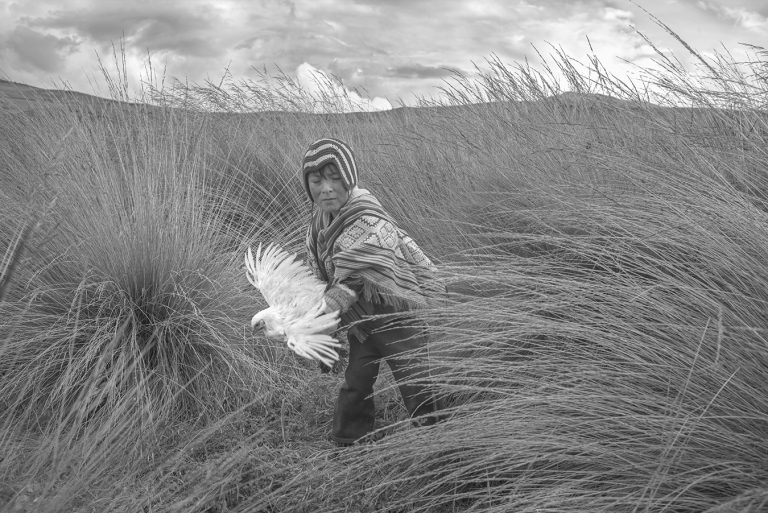
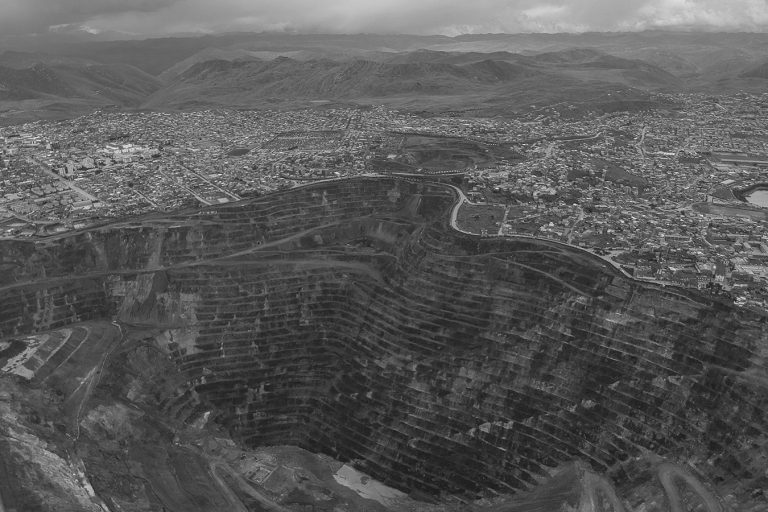
“El Precio de la Tierra” is a 8-year journey covering 20,000 kilometers and 35 mining communities from Peru chronicling the difficult coexistence between Quechua people, their land, and the mining industry. Through the lens of new and old mines, it explores neoliberalism and neocolonialism, showing the fracture of the human relationship with nature and the lack of respect for human rights in the Peruvian countryside.
It all started in 2017, during a work trip to the Sacred Valley of the Incas, when Cinque met a 53-years-old woman who told him that she had fallen ill with a stomach cancer because the water in her village was highly contaminated. For his personal background, Cinque felt deeply connected to this woman's story and, since that trip, he has not stopped delving into it.
Indigenous Quechua communities living along Peru’s mining corridor endured centuries of discrimination, pollution, and economic stagnation, despite the mineral wealth around them.
Peru has immense mineral wealth in its striking Andes mountains. It’s the world’s No. 2 producer of copper and silver and a key producer of gold. But under its scorching sun, metallic opulence coexists with abject poverty.
Today, the Andes remain home to the country's poorest indigenous, Quechua-speaking communities whose lands were once sacked by the Spanish and now by multinational companies for metals. The end of colonial rule set up the scene for a new problem: neoliberalism.
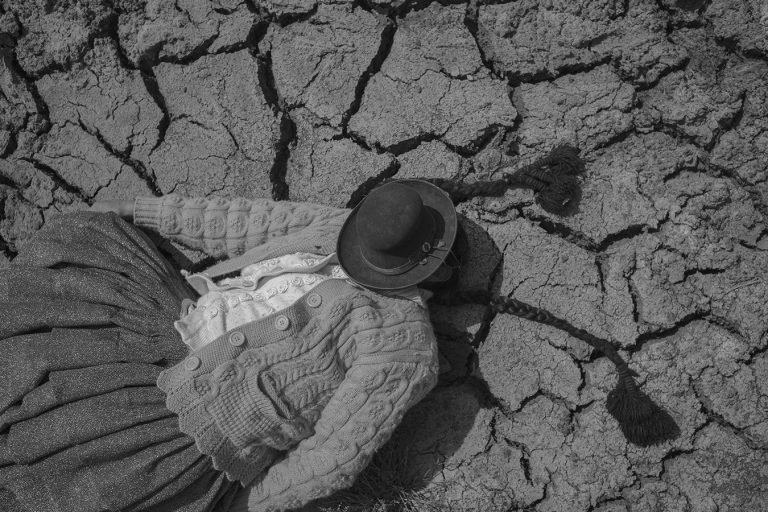
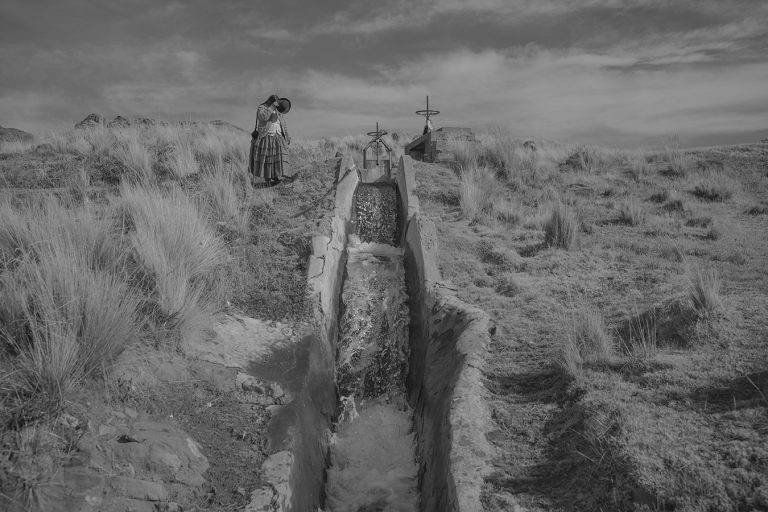
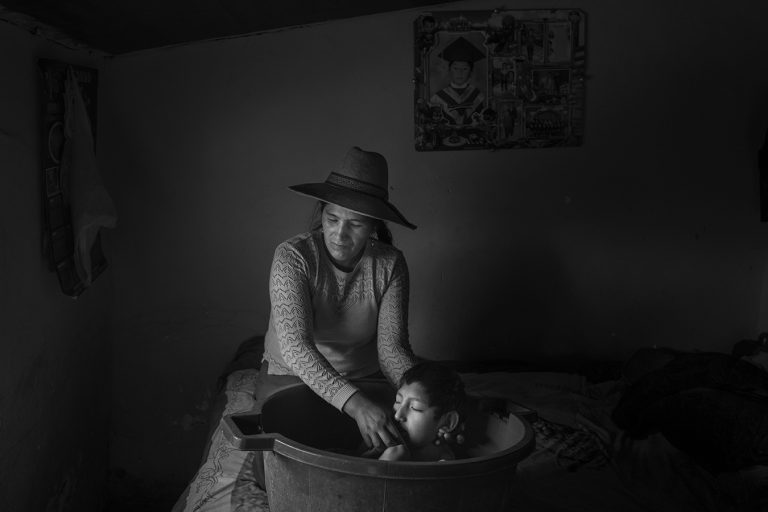
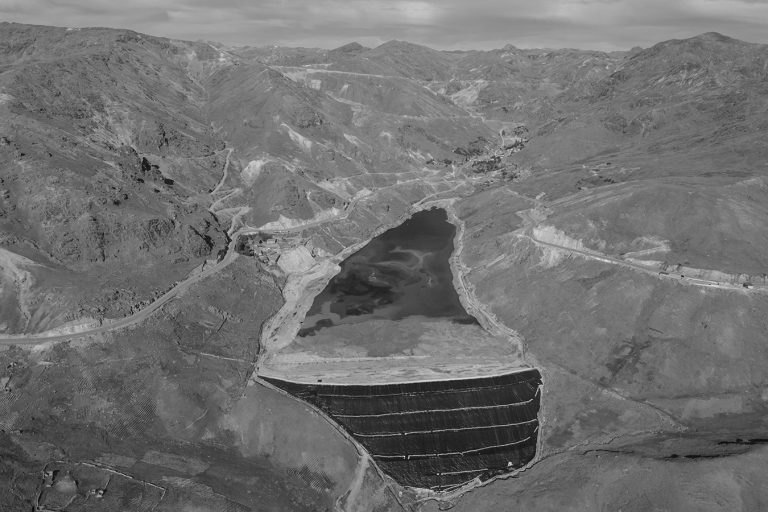
The price to pay has been the health of indigenous Peruvians, whose water sources were either diverted to mining or polluted by it. Scores have heavy metals in their blood, causing anemia, respiratory and cardiovascular disease, cancer, and congenital malformations.
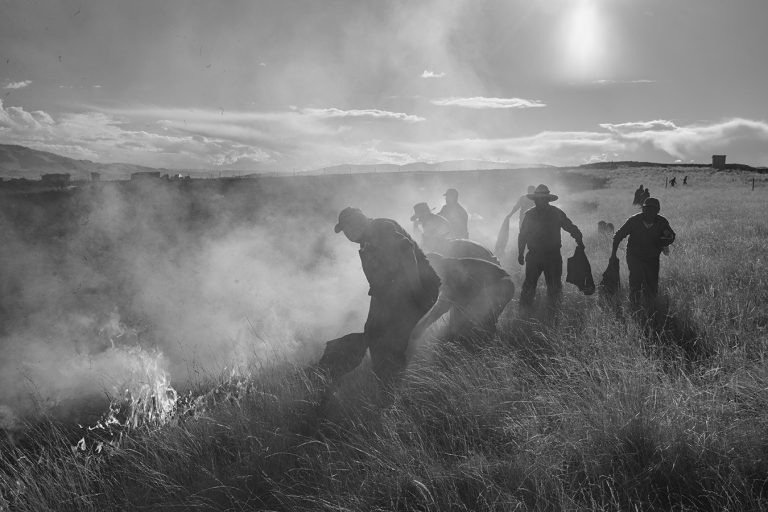
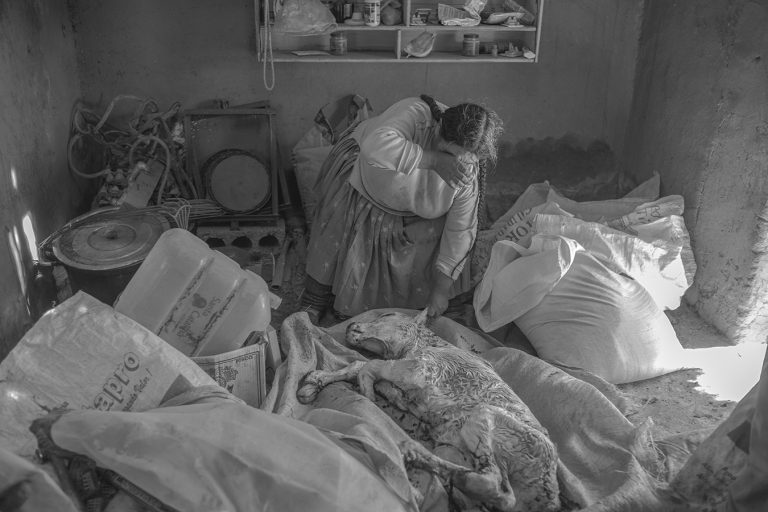
Mining has also plundered their wealth by creating dead fields and killing livestock, the engine of the economy for the local population. Moreover, it has reconfigured its relationship with the territory and had a negative impact on the gradual loss of Andean folklore and identity. Andean people have a special connection with Mother Earth (Pachamama) so, with the presence of the mining, their relationship with Pachamama gets out of balance.
Over the years, the project has also been extended to the Andes of Ecuador, Bolivia, Argentina and Chile. In this selection of 10 photographs, you will find only the Peruvian chapter.
 001_El_Precio_de_la_Tierra_Peru
 002_El_Precio_de_la_Tierra_Peru
 003_El_Precio_de_la_Tierra_Peru
 004_El_Precio_de_la_Tierra_Peru
 005_El_Precio_de_la_Tierra_Peru
 006_El_Precio_de_la_Tierra_Peru
 007_El_Precio_de_la_Tierra_Peru
 008_El_Precio_de_la_Tierra_Peru
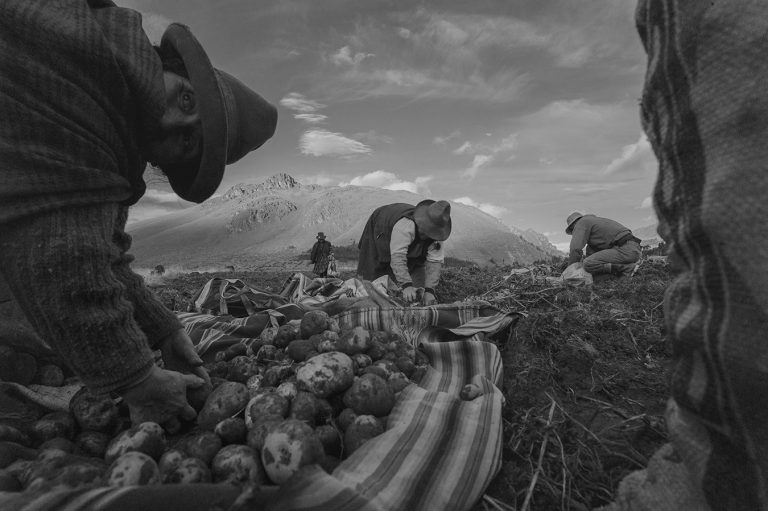 009_El_Precio_de_la_Tierra_Peru
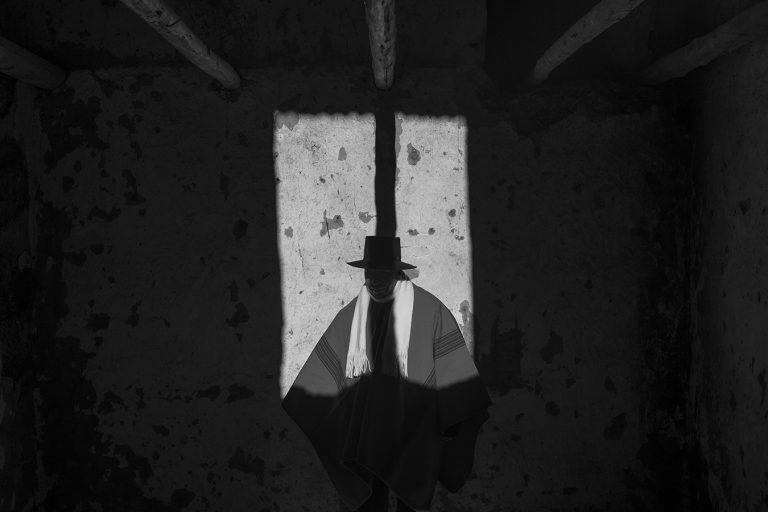 010_El_Precio_de_la_Tierra_Peru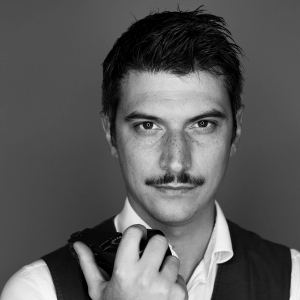
Alessandro Cinque (b. 1988) is an Italian photojournalist based in Peru. Since 2017, he has documented the effects of mining in South America through his project El Precio de la Tierra. Combining photography, film, and community publications, his work has garnered recognition from World Press Photo, the Sony World Photography Award, Prix Terre Solidaire, Prix Pictet, and the Leica Oskar Barnack Award. Named a National Geographic Explorer in 2022, Cinque’s images have been published internationally, exploring the intersection of culture, environment, and resistance across the Andes.